


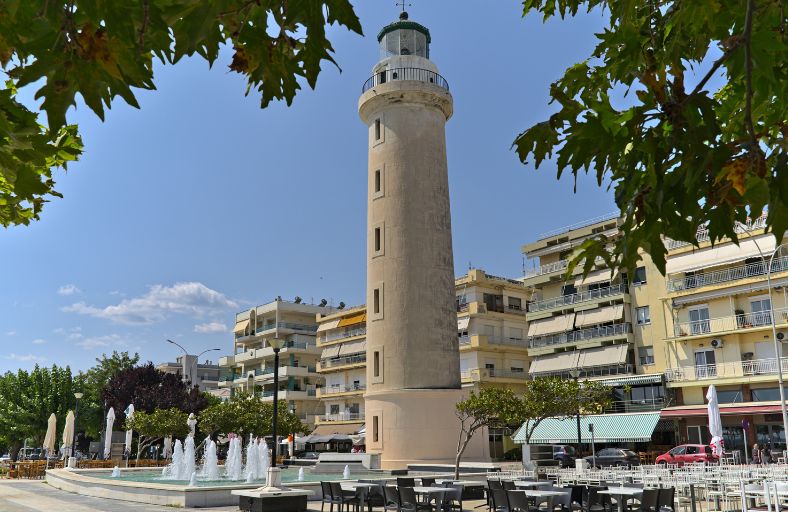

The short-term rental market in Northern Greece is developing at two different speeds, with Alexandroupoli experiencing remarkable growth, while established tourist destinations such as Halkidiki and Kavala are showing signs of decline. In Alexandroupoli, the number of Airbnb properties increased by 144% in just two years. However, this rapid market expansion has been accompanied by reports of undeclared rentals, primarily involving holiday homeowners from Bulgaria and Romania. These practices have reportedly extended even to the city’s municipal campsite, where caravans are allegedly being sublet through foreign booking networks.
The figures on the performance of the local market were presented by Petros Kyriazidis, Deputy Mayor for Tourism of Alexandroupoli and CEO of Homebrain, at the Short Stay Thessaloniki Conference, held as part of the 41st Philoxenia exhibition in Thessaloniki.
According to data from Greece’s Independent Authority for Public Revenue (AADE) and the municipality, Alexandroupoli had 294 registered short-term rental properties in 2023. By 2025, this figure had reached 720, while estimates for 2026 suggest approximately 850 properties. This increase reflects a growing shift towards the use of residential properties for tourism purposes in an area that has strengthened its position on the tourism map in recent years.

The situation during the summer season is even more noteworthy. According to Kyriazidis, the actual number of properties available on the market during peak months is estimated to reach as many as 1,300. If this estimate is confirmed, the difference compared with the approximately 850 properties recorded in 2026 represents an additional 450 units that are not reflected in the same records. This figure does not in itself prove that all these properties operate illegally, but it highlights the difficulty of accurately monitoring activity during periods of peak tourism demand.
Alexandroupoli’s growth becomes even more apparent when compared with 2019. At the time, the city had approximately 3,000 hotel beds, with an average occupancy rate of just 33.3%. Six years later, in 2025, the total accommodation capacity had reached 6,000 beds, while occupancy stood at 85%, according to figures presented at the conference.
This development is particularly significant given that Alexandroupoli has not experienced a corresponding wave of major hotel investments. As the deputy mayor explained, recent additions to the city’s hotel capacity mainly involve smaller establishments and boutique accommodation. Consequently, much of the increase in available beds comes from short-term rentals, which have become an important complement to the hotel sector.
Undeclared rentals and foreign booking platforms
Rapid growth, however, has also brought a less visible side of tourism activity to light. According to allegations made by Kyriazidis, holiday homeowners from Bulgaria and Romania are reportedly renting out their properties to fellow nationals through platforms operating in their home countries, without declaring the relevant rental transactions in Greece.
A distinctive feature of these transactions is that the entire booking and payment process can take place through networks catering exclusively to travellers from specific countries. As a result, a property may be used as tourist accommodation without its activity necessarily appearing on major international platforms or in Greek registers, if the owner fails to submit the required declarations.
As highlighted during the conference, this practice creates difficulties for legitimate property managers, who are required to register their properties, declare rental transactions and comply with the tax and other obligations stipulated by the existing regulatory framework. Conversely, those operating outside this framework may gain a competitive advantage by avoiding some of the costs borne by other professionals.
Alexandroupoli’s geographical location, combined with its accessibility from neighbouring Balkan countries, gives the phenomenon particular characteristics. Visitors can arrange their accommodation directly with property owners from their own countries, while the absence of listings on Greek platforms makes these transactions more difficult to monitor.
According to the deputy mayor, similar practices are also observed on Samothrace, where some rentals reportedly take place through private arrangements involving direct cash payments. He also made particular reference to Alexandroupoli’s municipal campsite, describing cases in which Bulgarian visitors rent caravans and subsequently offer them to third parties through their own platforms. As presented at the conference, this practice suggests that undeclared tourism activity is not limited to holiday homes and apartments but may extend to other forms of accommodation.
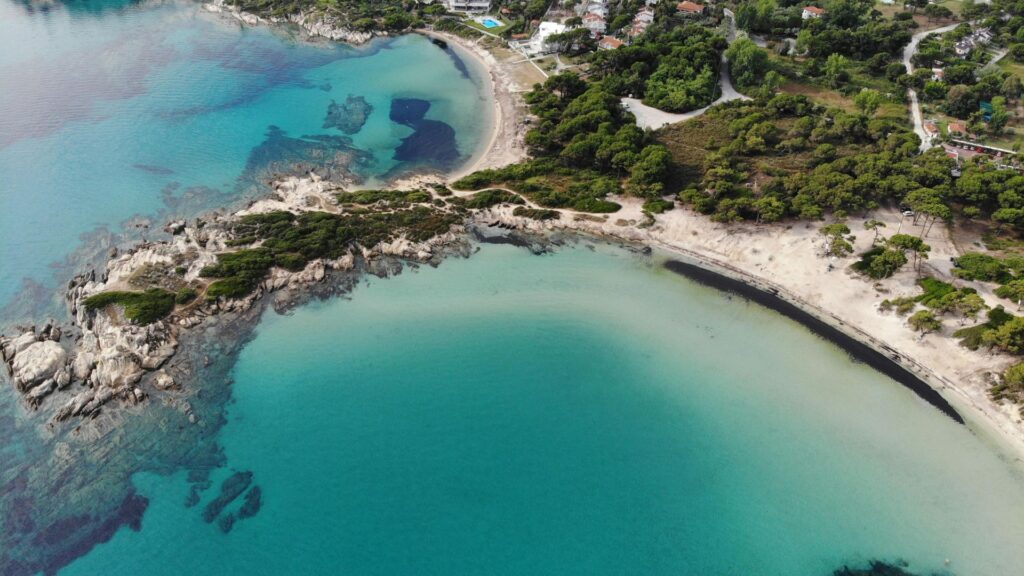
Halkidiki and Kavala: Active rental properties decline
In contrast to Alexandroupoli, the more mature tourism markets of Northern Greece are presenting a different picture. According to data presented by Eleni Koufaki, a board member of STAMA Greece and CEO of Questbnb, the number of active short-term rental properties in Halkidiki has declined by 15%, while a similar decrease has been recorded in the Kavala area, including Thassos.
This development indicates that an increase in listings is no longer a widespread characteristic of the market. In areas with a long-established tourism industry and an already substantial accommodation supply, activity is experiencing fluctuations both in the number of active properties and in pricing and occupancy performance.
A notable example is Kassandra in Halkidiki, one of Northern Greece’s best-known holiday destinations. According to the figures presented, short-term rental prices have declined by 19%, reflecting the pressures facing this particular market.
By contrast, the situation in Sithonia is considerably more positive. Accommodation prices have increased by 9%, while occupancy rates have risen by 25%. This significant difference between two areas within the same regional unit highlights how demand and accommodation performance can follow different trajectories, even in neighbouring tourist destinations.
These figures reveal an interesting contrast: while an emerging market such as Alexandroupoli continues to expand its accommodation capacity rapidly, established destinations are showing signs of adjustment, with some areas experiencing declines and others maintaining strong performance.
Calls for stronger enforcement and the state of the shadow economy
Beyond individual tourism market performance, tackling undeclared activity remains a common concern among short-term rental professionals.
Koufaki stressed the need for a modern and effective reporting system through which the relevant authorities could collect information on potential violations and carry out meaningful inspections. As she pointed out, illegal activity creates unfair competition, and the priority should be enforcing existing legislation.
For his part, Vasilis Argyrakis, President of STAMA Greece and CEO of See Greece, argued that the black market has shrunk considerably compared with the situation a decade ago. According to him, compliance among property owners has improved, while inspections conducted by AADE have contributed to reducing undeclared rentals.
Despite this improvement, he acknowledged that there are still areas in Northern Greece where transactions take place outside the official system, resulting in lost tax revenue and inequalities among industry professionals.
Konstantinos Chaidoutis, President of the Thessaloniki Property Owners Association, also contributed to the discussion on the functioning of the market, pointing out that short-term rentals have been demonised despite their complementary role alongside traditional tourist accommodation.
He also referred to the anticipated launch of the Property Ownership and Management Registry (MIDA), suggesting that it could improve property registration and help identify cases of non-compliance with the existing regulatory framework.
At the same time, industry representatives expressed reservations about the effectiveness of restrictions on the registration of new short-term rental properties as a measure to address the housing crisis. In particular, Argyrakis argued that similar interventions in European cities, as well as in Athens, have not led to a reduction in residential rental or property sale prices.
In his view, addressing the housing crisis requires bringing vacant properties back onto the market, simplifying procedures for their utilisation, making properties held in investment fund portfolios available and implementing targeted social housing policies.
