


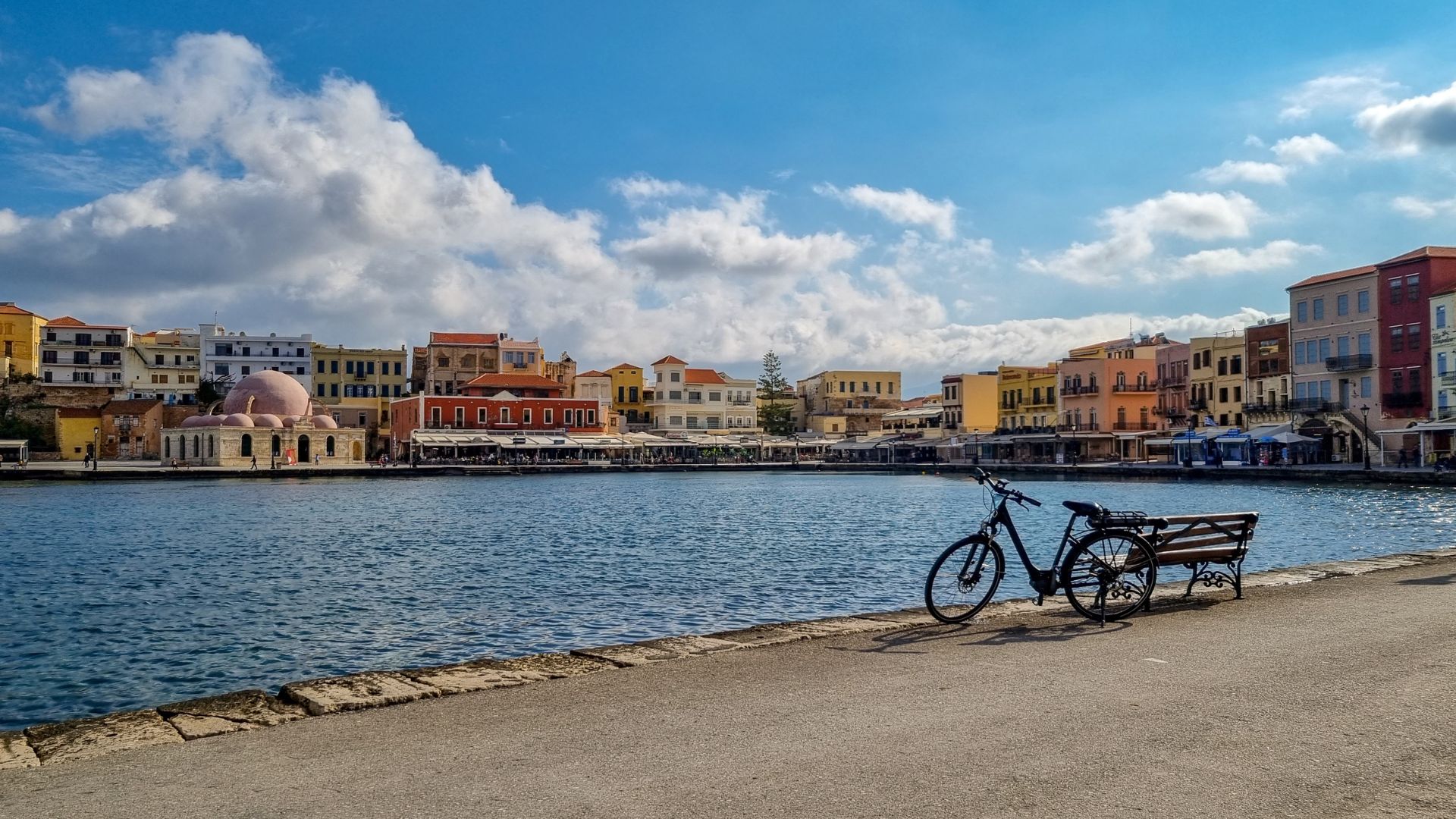

Crete, and particularly the city of Chania, is coming into focus as the Greek government considers extending restrictions on short-term rentals to additional areas where growing tourism activity has intensified pressure on the housing market. Prime Minister Kyriakos Mitsotakis left open the possibility of new measures affecting Airbnb properties in a recent interview, specifically naming Chania as an example of an area where the government is considering additional restrictions.
The Prime Minister’s remarks are particularly significant for Crete, where short-term rentals have become an important part of the local tourism market, with thousands of properties listed on digital platforms. At the same time, growing demand for tourist accommodation coincides with the difficulties faced by permanent residents, families and workers in finding housing, particularly in major urban centres and popular holiday destinations.
“Further restrictions on Airbnb in areas where there is significant pressure – as is the case, for example, in my hometown of Chania – are certainly something we are considering,” Kyriakos Mitsotakis said, confirming that the extension of restrictions beyond Athens is being discussed by the government.
However, these plans remain under consideration, as no specific areas, implementation timetable or details of potential new measures have been announced. It also remains unclear whether the government will follow the model of suspending new short-term rental registrations already applied in parts of Athens or introduce different regulations tailored to local housing market conditions.
More than 21,000 short-term rental properties in Crete
The scale of short-term rental activity is reflected in data from the Hellenic Statistical Authority (ELSTAT), according to which 21,231 properties were registered in the Short-Term Rental Property Registry in the Region of Crete in March 2026. Based on this indicator, Crete ranks among Greece’s largest short-term rental markets, occupying fourth place among the country’s regions, after Attica, Central Macedonia and the South Aegean.
The presence of more than 21,000 properties highlights the importance of short-term rentals to the island’s economy, generating income for property owners and expanding accommodation options for visitors. At the same time, however, it brings renewed attention to the need for a balance between the tourism use of real estate and the availability of homes for long-term rental.
In Chania in particular, where tourism activity extends beyond the traditional summer months, the housing market must accommodate different needs. On one side are property owners who choose to rent their properties to tourists, while on the other are permanent residents, new employees and people relocating to the city for professional reasons.
Of course, not all short-term rental properties are homes that could otherwise be made available on the long-term rental market. Some are holiday homes or properties developed specifically for tourism purposes. Nevertheless, converting residential apartments into tourist accommodation can reduce the available supply of permanent housing, particularly in areas where supply is already limited.
The possibility of extending short-term rental restrictions
Discussions about new measures follow restrictions already introduced in parts of the Municipality of Athens, where new property registrations for short-term rentals have been suspended. This policy aims to limit the further expansion of short-term rental activity in neighbourhoods experiencing significant housing pressure.
By specifically mentioning Chania, the Prime Minister indicated that the government is considering similar measures in other parts of the country, taking into account the particular conditions of each local housing market.
The key question for Crete is whether any potential restrictions would apply exclusively to the city of Chania or could extend to other areas with high tourism demand. So far, however, no official announcement has been made defining the geographical scope of the measures, and the Prime Minister’s comments do not constitute a decision to introduce new bans.
At the same time, Kyriakos Mitsotakis acknowledged that short-term rentals generate significant revenue for the Greek economy and property owners. For this reason, government policy seeks to combine restrictions in high-pressure areas with financial incentives encouraging owners to return properties to the long-term rental market.
 The housing crisis on the islands and the challenges facing doctors
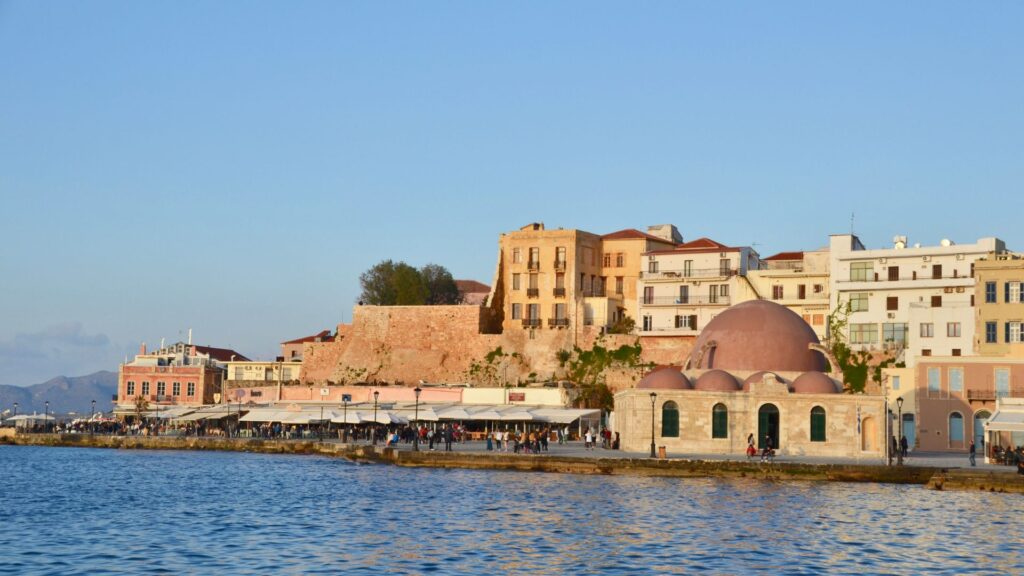 The housing crisis on the islands and the challenges facing doctors
The Prime Minister placed particular emphasis on the housing difficulties faced by doctors and other workers on Greek islands, linking the problem to the limited availability of homes in areas with particularly intense tourism activity.
In several island destinations, finding year-round accommodation has become a significant challenge, as a large proportion of available properties are used for tourist stays. The problem becomes even more pronounced during the summer season, when demand for accommodation increases and options become more limited for those seeking long-term housing.
This situation particularly affects doctors assigned to work in island communities, as finding suitable and affordable accommodation is a fundamental requirement for relocating and settling there. Teachers, public sector employees and other workers moving for professional reasons may face similar difficulties.
Kyriakos Mitsotakis acknowledged that addressing the problem cannot rely exclusively on Airbnb restrictions but also requires the involvement of local authorities. In this context, he called on municipalities to play a greater role in securing accommodation for healthcare professionals, stressing the importance of cooperation with the central government.
He also referred to initiatives aimed at developing housing that could meet the needs of doctors serving on the islands. This approach highlights that the housing problem in tourist destinations is not limited to rental prices but is also linked to the ability to staff essential public services.
The situation in Chania forms part of this wider discussion, as growing demand for tourist accommodation creates additional challenges in securing housing intended for permanent residents.
Incentives to bring properties back to the long-term rental market
Beyond the possibility of new Airbnb restrictions, the government aims to increase the housing supply by bringing vacant properties back onto the market and offering incentives to owners who choose long-term rentals.
In his recent interview, the Prime Minister referred to the “Renovate – Rent” programme, noting that financial support of up to €36,000 is available, subject to conditions, for the renovation of vacant homes. He also left open the possibility of taxing vacant properties, describing the proposal as “an idea”, without announcing any decision on the matter.
Efforts to increase housing supply are also linked to plans to make use of publicly owned real estate through social housing development partnerships. Kyriakos Mitsotakis acknowledged, however, that building new homes takes time and that the state cannot immediately make tens of thousands of properties available on the market.
For Crete and other popular island destinations, the issue is particularly important, as addressing housing pressure requires a combination of measures. On the one hand, restrictions on the further expansion of short-term rentals in heavily affected areas are being considered. On the other, the government is seeking to introduce incentives that would encourage more property owners to make their homes available for permanent residential use.
