



New data presented at the Short Stay Athens Conference seeks to reframe the discussion around short-term rentals in Greece, shifting attention away from major urban centers and toward regional markets, while also bringing the issue of underutilized housing stock back into focus.
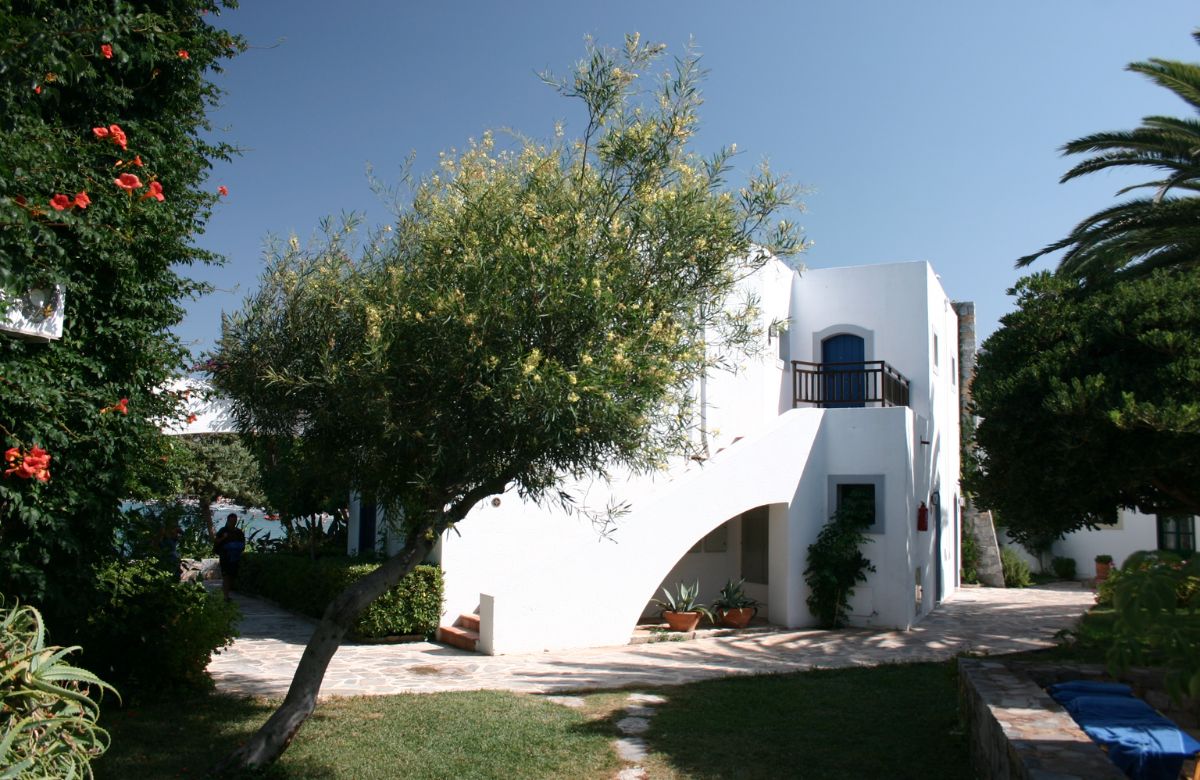
According to data from Greece’s Independent Authority for Public Revenue (AADE), presented during the conference and cited by STAMA Greece, around 60,000 active short-term rental properties are located outside major cities such as Athens and Thessaloniki. These are largely holiday homes, characterized by strong seasonality, and are seen as more closely linked to tourism activity in regional destinations than to housing pressures in metropolitan markets.
The figures challenge the dominant perception that short-term rentals are primarily driving rent inflation in cities. Instead, they point to a market with a much broader geographic footprint, where a significant share of activity is tied to tourism-oriented areas rather than urban neighborhoods facing housing shortages.
The intervention comes at a time when debate over tighter regulation of the sector is intensifying, often centered on restrictive measures. Industry representatives argue that the market is more complex than commonly portrayed in public discourse and that policy should distinguish between different property types and locations.
Fewer active listings than registry numbers suggest
Beyond geography, STAMA also highlighted a second key issue: the gap between registered properties and actual active market activity.
In Attica, around 30,000 Property Registration Numbers (AMA) have been issued, yet fewer than half correspond to active short-term rental properties, according to data presented at the conference. In Thessaloniki, around 4,000 AMAs have been recorded, though not all are actively used in the market.
This distinction is considered critical, as it affects both the perceived size of the sector and the basis on which regulatory interventions are designed. According to STAMA, a significant number of owners have obtained an AMA without ultimately operating in short-term rentals, with many of these properties either owner-occupied or leased through the long-term rental market.
The organization argues that differentiating between registered and truly active properties is essential, as public debate often relies on cumulative figures that do not reflect the market’s actual operating scale.
The debate shifts to vacant housing
Based on these findings, the sector is attempting to redirect the discussion from short-term rentals toward the broader issue of housing supply, placing vacant and underutilized properties at the center of the debate.
STAMA Greece President Vasilis Argyrakis argued that the stock of properties held by the state, banks and loan servicers — including assets from foreclosures or inheritance renunciations — exceeds by far the total number of properties operating in short-term rentals.
He also pointed to what he described as a surplus of more than 500,000 homes in Greece that remain unused. The argument advanced is that the problem lies not only in how housing is used, but in the inability to bring part of the existing housing stock back into circulation due to bureaucracy, legal obstacles and the absence of activation policies.
“While public debate is constantly filled with proposals to ban or restrict a continuously growing market, we have seen no proposals for utilizing vacant buildings in central Athens, many of which have been decaying for years and are, in any case, unsuitable for residential use. At the same time, the state and its agencies have leased all the properties they own in central Athens for hotel use, yet they have never considered — or even discussed — how these assets could be used for social housing or any other purpose. Instead of debating how to restrict a market that contributes €1 billion in tax revenues, it would be far more productive to discuss how these properties could be activated and how citizens could benefit from such practices.”
This position aligns with a broader industry argument that policy should focus more on increasing supply rather than restricting an activity that, according to sector representatives, contributes significant tax revenues and supports Greece’s tourism economy.
Regulation debate and the next phase
STAMA’s intervention comes as short-term rentals remain at the center of political and social debate, particularly around housing affordability, local pressures and the limits of the model’s expansion.
However, the data presented seeks to reframe the discussion by shifting the focus from how much the sector should be restricted to whether thousands of vacant homes could instead be activated.
At the core of this argument is the view that the housing crisis cannot be attributed solely to short-term rentals and that solutions should be sought primarily through measures aimed at expanding available housing supply.
With debate over the future regulatory framework still open, the discussion appears to be moving beyond the size of the short-term rental market itself and toward a broader question: which policies can actually increase housing availability.
