



Airbnb has launched four new advertisements in Canada and, as the choice of locations suggests, its campaign is turning away from major metropolitan areas. None of the campaigns is filmed in Toronto, Vancouver or Montreal, namely the three cities where the short-term rental supply has been most restricted.
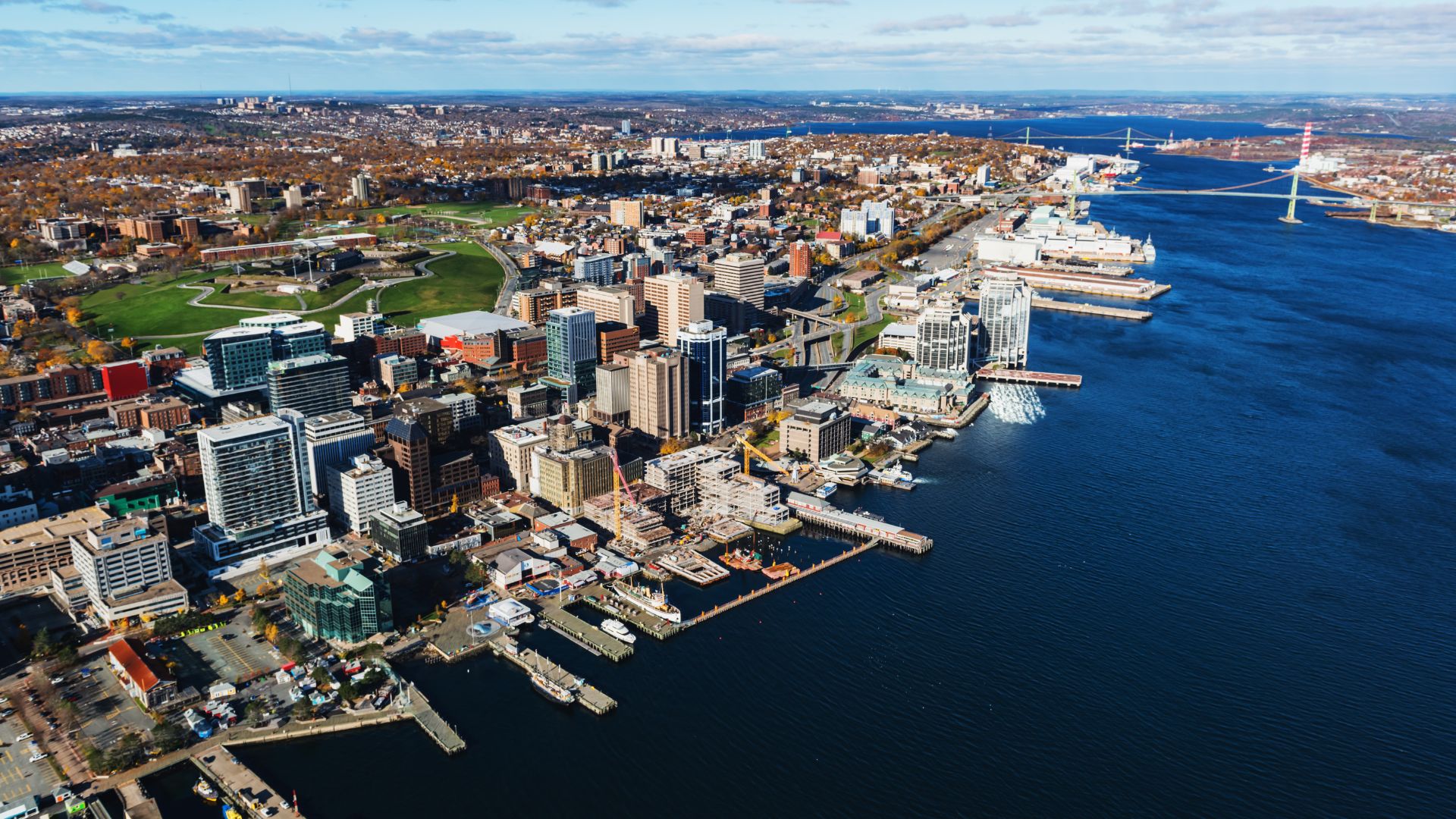
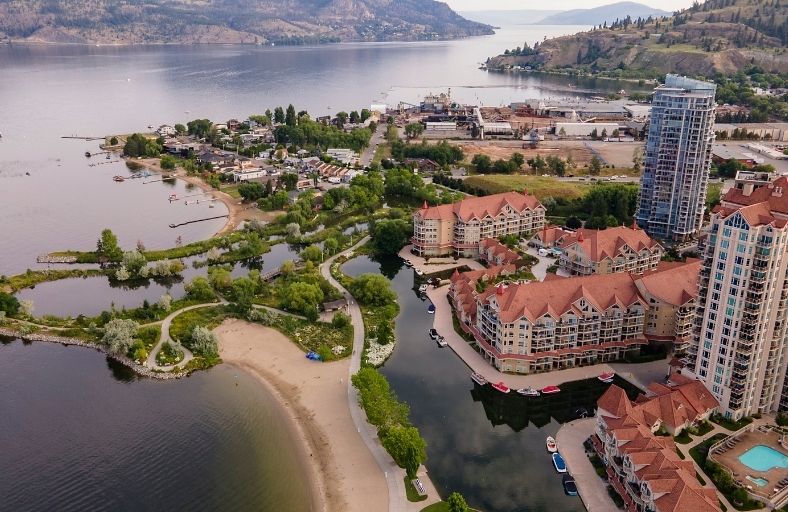
The advertisements, which appeared this month, feature Picton in Prince Edward County, Dunham in Quebec, Kelowna in British Columbia and Halifax in Nova Scotia. In all four, the host is presented as a neighborhood guide rather than as a property owner.
The common pattern of the four advertisements
Each video follows the same logic: a short introduction by the host, visits to independent local businesses and the final message “with Airbnb, you book the neighborhood.” The emphasis is not placed on the home itself, but on the businesses around it.
In Picton, Kate visits a pottery studio and an independent bookstore, talking about the community, its creators and local producers. In Dunham, Richard stops at a tapas restaurant and a beekeeping business, describing a local economy in which spending directly supports the community itself.
In Kelowna, Deanna visits a farmers’ and crafters’ market, while also stopping at an ice cream shop that uses local fruit. In Halifax, Katie appears with her dog, tries chocolates, goes for coffee and ends with a yoga class at a local studio.
Why Airbnb is promoting smaller markets
The key element that stands out is not only what the advertisements show, but also what they do not show. There is no mention of prices, discounts, hosting income or an invitation to list a property.
Instead, Airbnb chooses a message that connects accommodation with the local market. This approach fits a market where the public debate around short-term rentals is already intense and where major cities have stricter restrictions.
According to the campaign text, this strategy allows Airbnb to direct demand toward areas where the regulatory framework is more compatible with the profile of host it chooses to promote: the resident who rents out their primary residence or a host who can be presented as a neighbor.
The choice of markets and the regulatory framework
The analysis connects each market with its respective regulatory framework. In Prince Edward County, the issuance of new licenses for secondary residences has stopped for applications after September 20, 2022, while residents can still license the home in which they live and rent it out for up to 45 days per year.
In Halifax, residential zones allow whole-home short-term rentals only when the property is the host’s primary residence. Anything that does not meet this criterion requires a commercial or tourist zone, along with provincial registration in Nova Scotia.
In Quebec, CITQ registration is required for every short-term rental. In Montreal, hosts can rent out their primary residence only between June 10 and September 10, while three municipal boroughs prohibit it entirely. Cities such as Dunham do not face similar restrictions.
In Kelowna, the city chose to opt out of British Columbia’s primary-residence requirement, effective June 1, 2026, for properties in the city’s short-term rental subzone. The time gap between this change and the appearance of the advertisement, approximately two months later, is telling of where Airbnb sees room for growth.
What it means for industry professionals
For hosts and property managers, the message is that Airbnb is choosing to invest advertising resources in markets where it can talk about neighborhoods, local businesses and residents, rather than investment properties or purely tourism-driven scale. In this context, the image of the small host remains central.
The source also notes that Airbnb has used similar templates before, such as “Live There” in 2016 and “Go Near” in 2020, when the company shifted its attention toward closer or more local travel. The 2026 Canadian campaign follows the same logic: smaller cities, local spending and a message about economic contribution to the community.
The practical conclusion for the industry is that Airbnb is showing where it appears to see greater room for growth within the existing regulatory framework. Where major cities leave it little room, it is shifting its promotion toward markets that already operate with the host profile it wants to highlight.
Frequently Asked Questions
Why does it matter that none of the advertisements is in Toronto, Vancouver or Montreal?
Because these are the cities where the short-term rental supply has been restricted the most. The choice of smaller markets shows where Airbnb sees more favorable ground for promotion and growth.
What is deliberately missing from the new advertisements?
There is no mention of price, the home itself, hosting income or an invitation to list a property. The campaign focuses exclusively on the neighborhood and the local businesses around the accommodation.
