




For a trend “clearing”, especially in urban centers, in the market of short-term rentals, refers to the Nassos Gavalas, President of STAMA Greece and Managing Director of Sanders Group for Greece and Cyprus, in an interview with bnbnews.
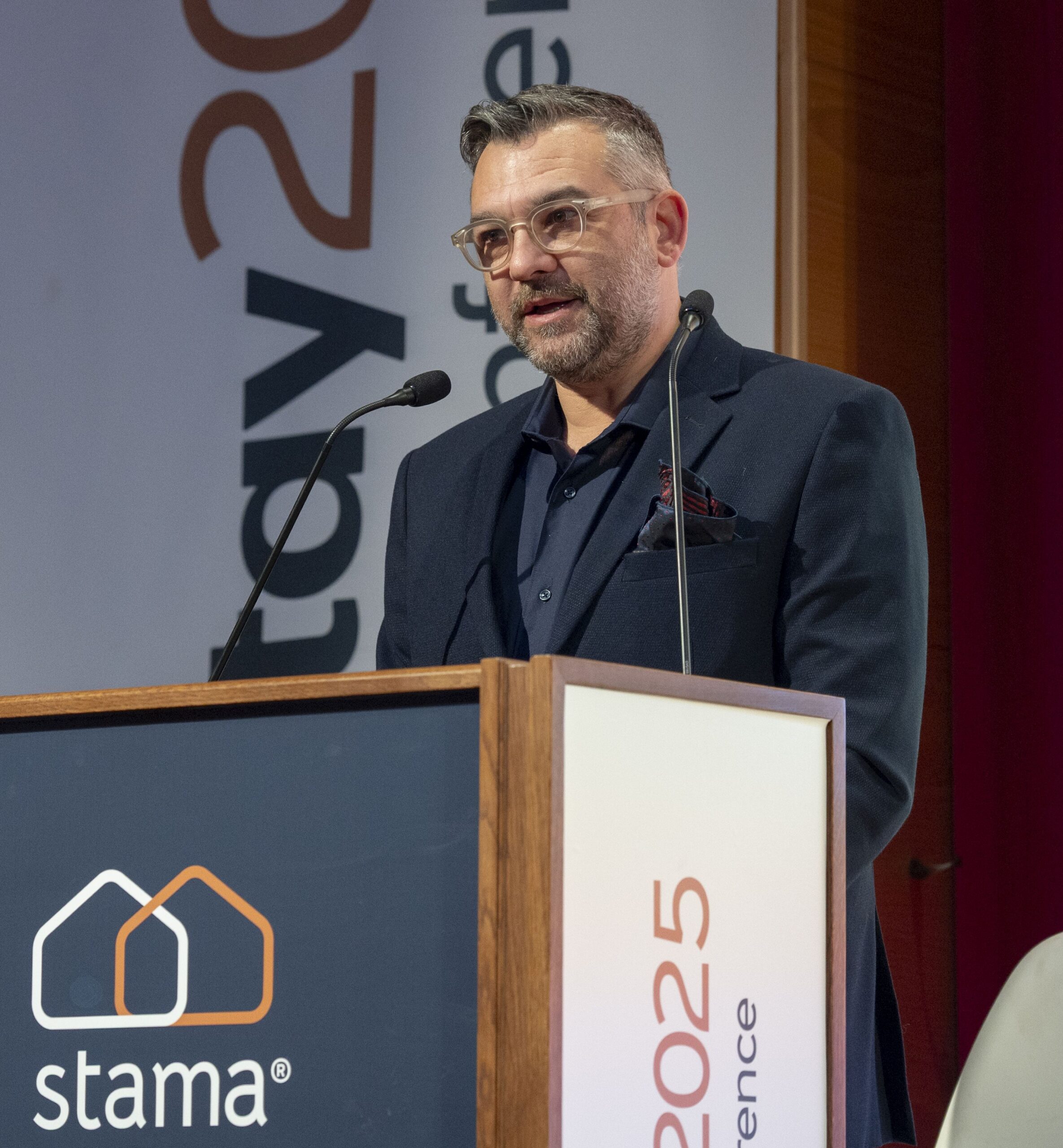
Gavalas makes it clear that STAMA is in favour of market regulation rather than restriction, noting the need for “clear rules, transparency and a framework that is applied equally”.
Regarding the housing crisis and its correlation with short-term rentals, he explains that over 90% of properties currently available through platforms were old, closed or abandoned and clarifies, “short-term rentals are not the culprit that some are looking for to explain the housing crisis.”
How is the short-term rental market in Greece shaping up for 2025?
The market is maturing. We are seeing a clearing trend – particularly in urban centres. Managers who operate with professionalism, expertise and investment in technology and automation are establishing themselves, while many individual owners are gradually withdrawing, either because they cannot cope with the demanding environment or because there is no longer an easy “build a house and make money”. In the periphery, the picture is different: private owners continue to offer accommodation alternatives, especially in areas where hotel infrastructure is lacking – and rightly so. 2025 will be a year of “transition”: fewer properties, better quality services, and a shift to serious structures.
What is the Association’s position towards the possible new regulatory measures that the State is considering for short-term rentals?
The Association is in favour of regulation – not restriction. We want clear rules, transparency and a framework that is applied equally. But when we hear extreme measures, we are not talking about regulation – we are talking about punishing small and medium-sized property, local economies and entrepreneurship.
A typical example is the ban in the Municipality of Athens. It did not reduce the number of accommodations, nor did it bring back properties to long-term leasing. It was an ineffective decision because it was simply not based on factual data.
Our standing request is simple: any government that wants to legislate should do so after collecting full data and talking to market people. Not to have decisions made by bureaucrats out of touch with reality. The market itself has knowledge, experience and a willingness to contribute to the solution – as long as it is involved.
To what extent does short-term renting affect rental prices in cities and how do you respond to claims that it contributes to the housing crisis?
Short-term renting is not the culprit that some are looking for to explain the housing crisis. The evidence shows that it makes up a small percentage of the total housing stock, and indeed, over 90% of properties currently available through platforms were old, closed or derelict. They never competed with long-term renting – they just ‘sat’.
Short-term leasing, instead of taking away, leverages existing stock. It does not require new infrastructure, does not pressure the state for new construction, and in effect upgrades neighborhoods: buildings are renovated, areas that had been abandoned are “jump-started” and small businesses are created regionally as a new economic ecosystem.
The housing problem is real but it is multifactorial: hundreds of thousands of foreclosed properties, low wages, lack of new construction, virtually zero incentives for renovation, bureaucracy. If the State wants to solve it, it needs to address these. Targeting a market that gives breath and choice to homeowners and life in cities is just convenient. But not effective.
What trends are you seeing from visitors in terms of their preference for short-term rentals over traditional accommodation?
Visitors who choose short-term rental properties are mainly looking for large, open-plan spaces that provide them with experience, autonomy and authenticity. They want to feel “like locals”, to cook, to work from the accommodation, to be in touch with the neighbourhood. Not all are tourists – many are remote workers, families or couples combining travel and daily life. This change is here to stay, hence why we see that many newly built hotels tend to make larger accommodation rather than ‘box rooms’.
What is your vision for the development of the industry in the coming years?
The vision is simple: to move from “individual initiative” to a mature, professional, socially acceptable market. This means education, quality, accountability, technology, green practices. It also means cooperation with the State – with respect from both sides. And above all a stability. We need to stop short term renting being the government’s favourite regulation game (which constantly exposes us to international investors), and focus on meaningful and practical solutions to breathe life into the housing problem.
What advice would you give to property managers?
That it is no longer enough to “have a house and put it on the platforms”. Professionalism is a one-way street. Invest in new technological tools, invest in the guest experience, differentiate with quality and closely monitor changes in regulatory, technological and consumer standards. Those who set up serious, sustainable structures will not only survive, but will grow and go far ahead.
