



Climate change has made heatwaves a frequent and intense phenomenon, turning temperature management in accommodations from a “secondary amenity” into a critical factor for survival and customer satisfaction. In 2026, Europe is increasingly facing episodes of extreme heat. The World Health Organization points out that excessive heat can cause heat exhaustion and heatstroke, with the elderly, infants, young children, and individuals with certain health conditions being particularly vulnerable. For hosts, therefore, properly preparing an Airbnb for a heatwave has now become a core part of professional management.
Changing guest behavior
Data shows a dramatic shift in search trends. When the mercury rises, guests prioritize their preferences based on coolness. According to recent trends, searches for accommodations with air conditioning increase by 88%, while access to a swimming pool, lake, or beach shows a massive surge. If your accommodation does not feature a clear indication of cooling systems, you risk being entirely filtered out of search results.
Preventative maintenance: The foundation of hospitality
The first and most important step is checking cooling systems before the high-temperature season begins. A broken air conditioner during a heatwave can turn from a simple technical problem into a serious hospitality issue. Airbnb owners are advised to schedule preventative servicing, clean filters, check condensate drain lines, and confirm that all units are operating correctly. It is equally useful to have at least one fan as a backup solution. If an air conditioning failure occurs, the guest should not be left without any option until the technician arrives. An air conditioner breakdown in the middle of a heatwave can ruin a stay and lead to negative reviews.
Passive cooling and architectural interventions
Technology is not enough if the building “traps” heat.
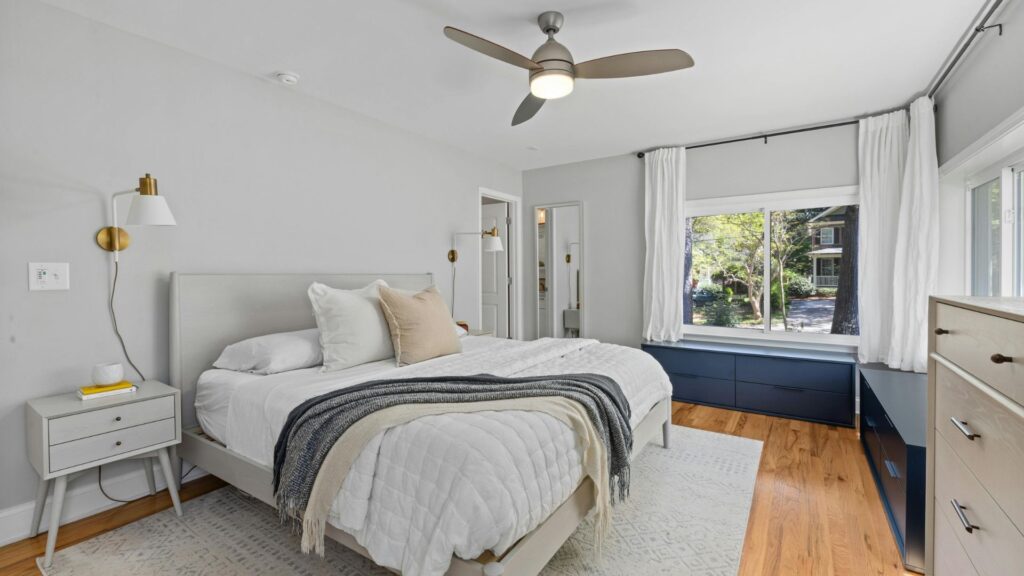
Shading: Direct sunlight is the number one source of heat. Invest in thermal blackout curtains or external blinds, especially on south-facing or west-facing windows.
Ventilation: Implement a natural ventilation strategy during evening hours when the temperature drops, so that the heat absorbed by building materials (walls, floors) during the day is released.
Materials: If you are renovating, prefer natural materials such as clay or wood, which better regulate humidity and temperature, unlike concrete which acts as a “heat store.”
Do not wait until check-in to cool the house
A common mistake is turning on the air conditioner only when the guest arrives. On days with extreme temperatures, the accommodation may have remained closed for hours and accumulated a large amount of heat. Material guidelines suggest preparing the space prior to arrival: closed shutters and curtains, activated air conditioning or fans, and as low a thermal load as possible. Thus, the guest opens the door and finds a truly cool environment. This first impression can be especially important during heatwave periods.
Equip your Airbnb with summer amenities
Small touches can make a huge difference in the guest experience. The host can provide:
cold bottled water upon arrival,
ice cubes or an ice tray,
lightweight cotton or linen sheets,
thin blankets instead of heavy duvets,
extra pool or beach towels,
fans,
shaded outdoor areas.
The WHO recommends, among other things, lightweight bedding, regular water consumption, and limiting exposure to heat.
Educate the guest on proper Air Conditioner usage
Excessive air conditioner use can lead to higher electricity consumption and strain the equipment. Guests need to know that it is not necessary to set the air conditioner to extreme low temperatures. The WHO mentions as a practical guideline setting the air conditioning around 27°C (80°F) in combination with a fan, while pointing out that doors and windows must remain closed while the air conditioner is running. The host can place a brief and polite instruction in the digital guest guide: close windows when the air conditioner is running, lower blinds when leaving, and utilize natural ventilation during the cooler hours.
Prepare for breakdowns and power outages
During a heatwave, an air conditioner breakdown or a power outage can create an emergency situation. Therefore, the host needs pre-arranged cooperation with a refrigeration technician and a clear response plan. Keep backup fans available, essential technician contact details, and instructions on what the guest should do in case of a breakdown. Immediate response is crucial: a request for a broken air conditioner amid extreme heat should not be treated like a simple, non-urgent maintenance ticket. At the same time, check if there are local requirements or regulations regarding cooling, safety, and owner obligations, as the legal framework varies by region.
Tips for hosts during a heatwave
With rising temperatures, hosts should immediately check air conditioners and fans, clean the filters, and ensure that blinds, awnings, pools, and outdoor areas are ready. At the same time, ensure there is sufficient water, ice, lightweight summer bed linens, and pool or beach towels. Also check your listing and clearly highlight cooling amenities such as air conditioning, a pool, and shaded areas. Now that the temperature is rising, prevention is the host’s most important tool. Proper equipment, shading, and prompt guest communication can ensure a cooler, safer, and more comfortable Airbnb.
