


Crete has emerged in recent years as one of the most dynamic hubs for luxury hospitality in the Mediterranean, and etouri has established itself as a leading force in this market.
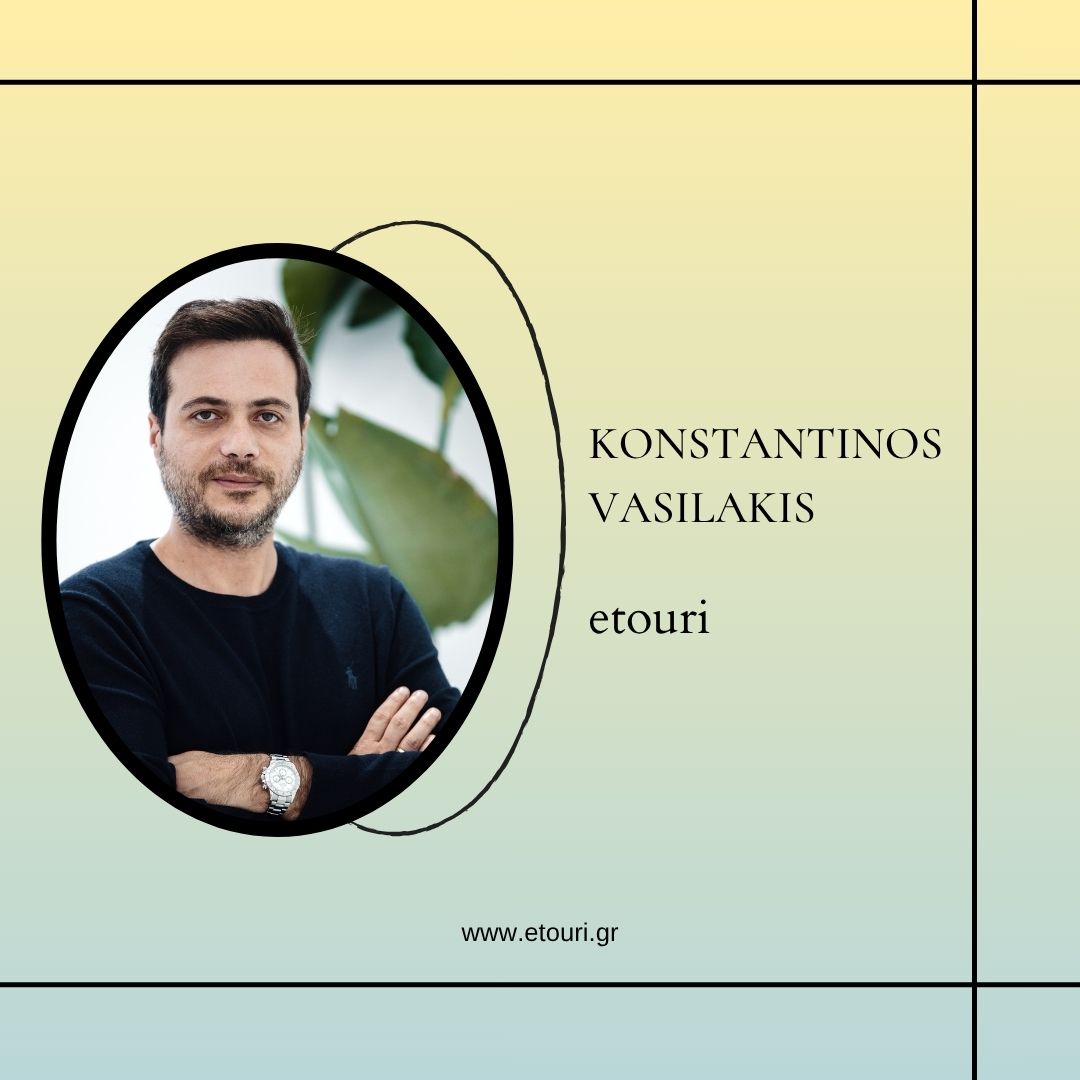 Kostas Vasilakis, CEO of etouri, explains how the company meets the exacting standards of guests choosing high-end villas: from comfort and attention to detail to personalized service and ongoing quality through the Quality Control department.
At the same time, he shares his experience of the evolution of Crete’s luxury villa market, the challenges of oversupply and rising demand, and the island’s strategic advantage over top Mediterranean destinations such as the French Riviera and Ibiza.
The secret of luxury villas: Comfort and personalization
Etouri operates exclusively in the luxury hospitality sector in Crete. What are the key expectations of guests who choose luxury accommodations, and how do you meet them?
The demands of high-end visitors may seem simple, but “simple” is often the hardest to achieve today. What a guest truly seeks in a top-tier villa is comfort, attention to detail, and service.
From the very beginning, etouri has followed a clear philosophy: “Crete is our hotel, and the villas are the different room types spread across the island.” Based on this approach, we can confidently say today that we offer the same—or even superior—services as a 5-star hotel.
We have meticulously organized each villa regarding kitchen and bathroom equipment, BBQs, outdoor spaces, and dozens of small details that create a “home-away-from-home” feeling. In addition, we have established a dedicated Quality Control department that visits each villa every 2–3 months to ensure that the quality we promise is consistently delivered.
For roughly the past 10 years, we have installed VOIP technology in all our villas and created a front desk line equivalent to a hotel reception. According to the 2024 and 2025 Tourism Awards, we provide the best concierge service in Greece, competing against the country’s top 5-star hotels.
Speed of response, excellent organization of amenities, and—most importantly—personalized service are the elements that give guests what they truly need: exceptional and stress-free vacations.

Luxury villas in Crete and market evolution
How has the luxury villa market in Crete evolved in recent years, and what do you consider the region’s competitive advantage compared to other Mediterranean destinations?
Having personally experienced the evolution of Crete’s villa market, starting in 2010 with my father’s villa and leading up to the founding of etouri in 2012 (official start: 12/12/12), I can confidently say the journey has been impressive.
In the early years, available villas were simply houses in villages. We moved on to converting homes from the “golden decade” of the ’90s, often with excessive features but only two bathrooms… 500-square-meter houses with two bathrooms, not originally designed for tourism but adapted during the economic crisis. Despite minimal modifications, these became the market’s “flagships” until 2018–2019.
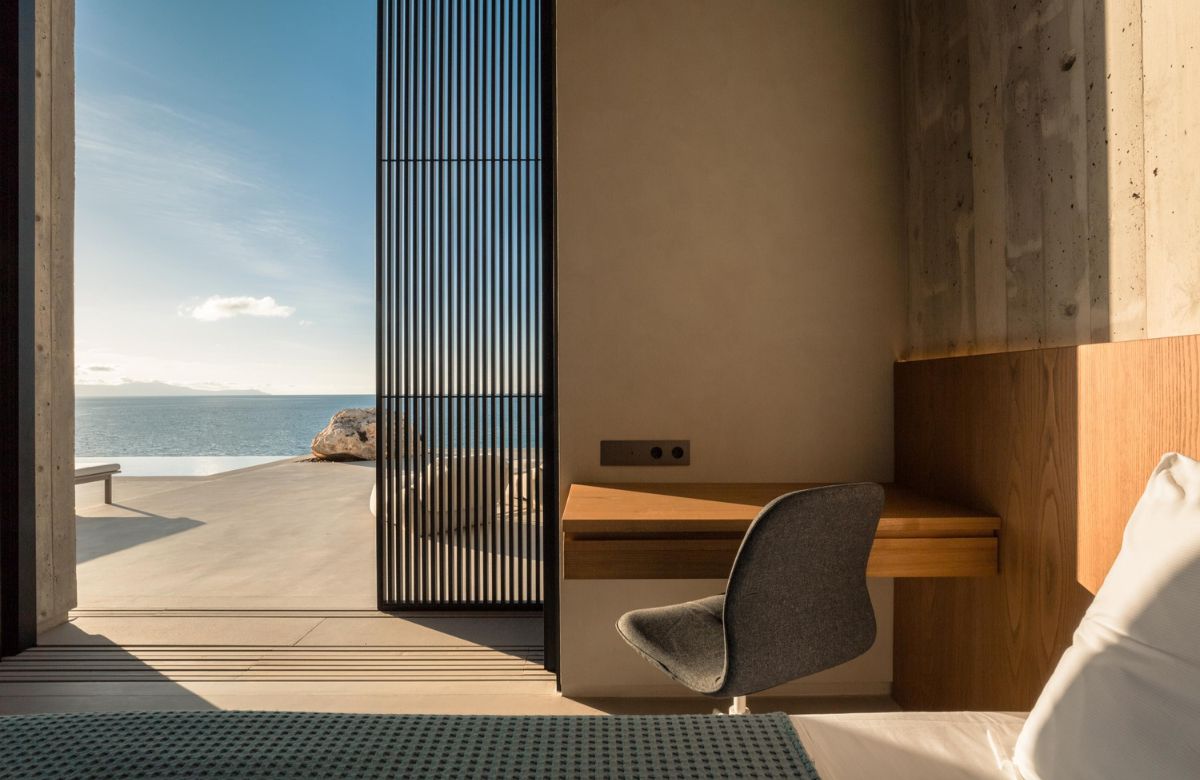
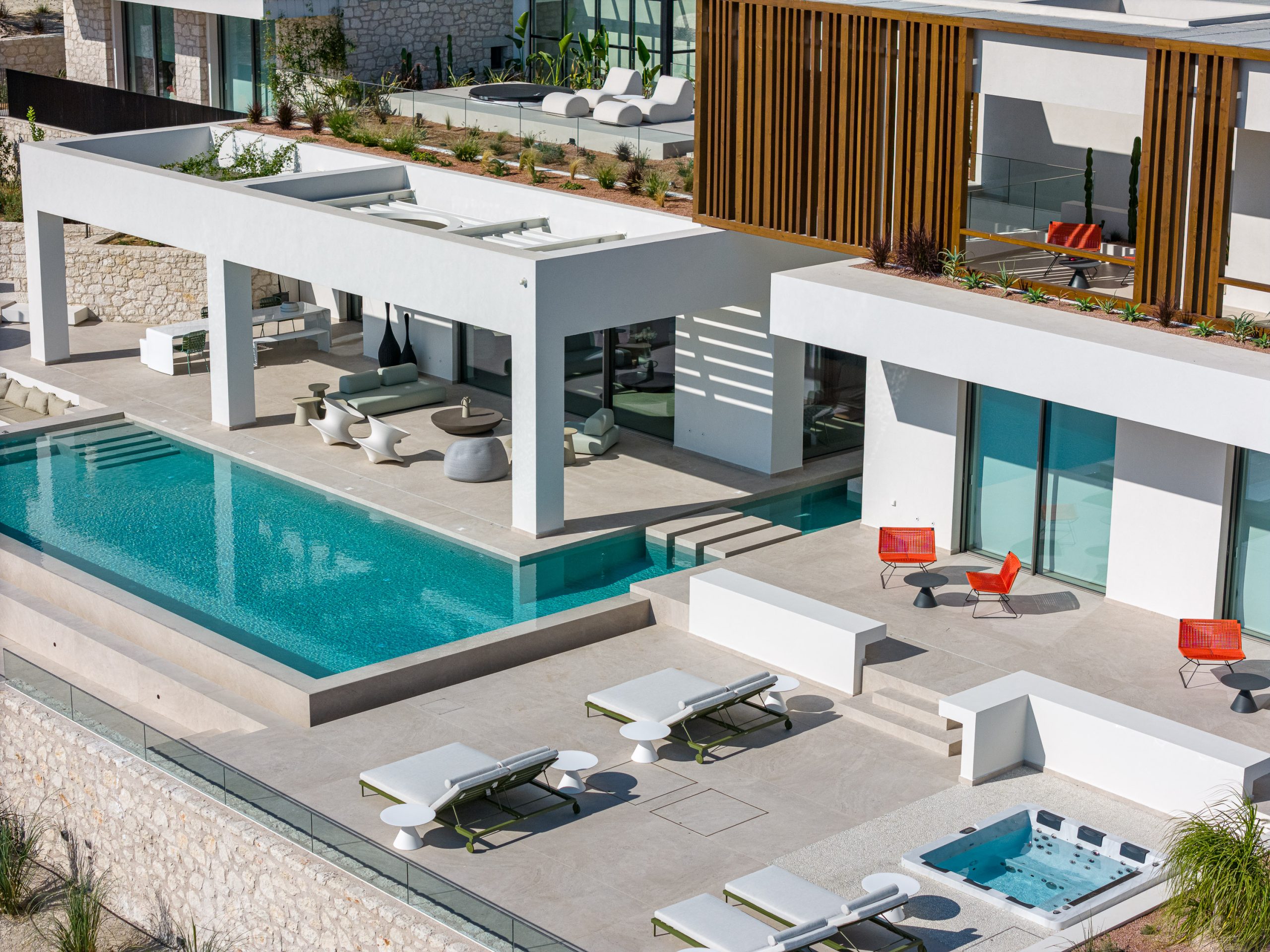
From there, the evolution has been remarkable. In Crete, villas began to be built from the ground up specifically for tourism, with truly high standards. Today, we are talking about dozens of properties with construction costs of €1.5–2.5 million, creating an overall product superior to any other region in Greece, far ahead of the second-best.
I recently looked at the villa markets in Rhodes and Corfu. Excluding a few exceptional properties, their level resembles Crete ten years ago. Their best homes, if brought here, wouldn’t even qualify for our mid-tier category and certainly couldn’t join the etouri portfolio.
Overall, we have raised the bar so high that we now compete—and often outperform—destinations like the French Riviera, Ibiza, Mallorca, or the Canary Islands, not only in aesthetics and infrastructure but in the overall guest experience.
Crete: The island’s competitive advantage
What makes Crete competitive compared to other Mediterranean destinations?
While the island once lagged in quality accommodations, that gap has nearly closed. Beyond that, Crete offers advantages such as:
A) Superior climate
B) Landscapes that harmoniously combine nature, mountains, and sea
C) Outstanding beaches and waters
D) Exceptional gastronomy
E) Innate hospitality in the character of the people
F) Rich history and cultural identity
What is still missing?
Mainly state infrastructure: electricity, water, roads, airports, parking. However, most of these are already under development, with projects exceeding €6 billion underway, the most notable being the new international airport in Kasteli.
Based on all this, I am confident that the day Crete becomes the top destination not only in Greece but across the entire Mediterranean is not far off.
The 2025 season is gradually coming to an end. How has demand evolved? Have there been any changes in the length or type of bookings?
Crete has seen increasing arrivals and demand each year since the pandemic. Nevertheless, accommodation providers—hotels, villas, apartments—have observed lower occupancy and, consequently, reduced revenue. The explanation is simple: ongoing infrastructure works on the island.
Crete has attracted investment from both private individuals and large funds. The main reason is the new airport, expected to serve as a supply hub, increasing arrivals via airports from 4 million in Heraklion to 10 million, and eventually 15 million visitors. Combined with Chania Airport and ferry connections, Crete will be able to host close to 20 million visitors in 10 years, explaining the intense investment interest.
Today, three years before the new airport officially opens, many hotel and villa investments are already operational or soon will be. This means we are ready—or nearly ready—to accommodate at least double the current tourism. Yet, this year, Crete still receives 6–7 million visitors, so the same “small pie” is now shared among more people. This, combined with oversupply in accommodation, has led to lower nightly rates. Add rising living and operating costs, and a challenging environment emerges that requires close attention from professionals in the sector.
In this context, etouri stands out. In recent years, we have moved against general market trends. When the market is rising, everyone looks good. But when there is pressure, as now, it becomes clear who is amateur and who invests seriously in their business with consistency and respect for their guests.
For etouri, the 2025 season (data up to October 5) closes across all villas with a 26.4% revenue increase, 14.1% increase in ADR, and 10.8% increase in overnight stays.
Even excluding any new villas added since December 2024—considering only existing villas—revenue growth reached 10.6% within one year, despite the overall market facing lower occupancy due to oversupply and having to reduce prices to cover gaps.
How does etouri use technology (e.g., channel managers, CRM, AI) to improve property management and guest experience?
Before 2019, there was no tech infrastructure for villas; all technology focused on hotels. Since then, the situation has changed dramatically. Etouri now invests €144,000 annually to ensure it has the most modern tools for property management and guest experience.
We use Webhotelier | Primalres, covering all aspects of property management while keeping all booking channels automatically synchronized in real time. For our needs, we developed Loggia, a property management software fully integrated into the system to enhance villa management.
Our CRM system fully leverages data to analyze guest behavior and preferences, booking patterns, villa performance, and interactions with owners. These reports allow us to monitor trends, identify opportunities for personalized services, and anticipate potential issues.
Finally, we use advanced market analytics technology to monitor our villas’ positioning relative to competitors and make strategic decisions.
Regulations and the luxury segment
Does the strict regulation of short-term rentals affect luxury accommodations, and what is your view on the need for formal industry frameworks?
Essentially, no. Changes mainly affect apartments. Luxury properties, whether required by law or not, already meet all the standards due to the level of tourism they target.
However, regulations are needed to protect both the tourism product and Greek SMEs who may want to invest in tourism inappropriately. Not every property can serve this purpose, otherwise the entire tourism product suffers. Therefore, YES, regulations and laws for tourism accommodations are necessary.
The mistake that concerns me is that, instead of recognizing that all types of tourism accommodations—villas or apartments—are now part of the global tourism product and evolve alongside the real estate sector, in Greece we still see tourism products as “hotels” versus “Airbnb.” This creates an open battle over “who will close whom,” with the state attempting to favor either hoteliers or the opposite. Unacceptable!
No one will close anyone else. If the state does not understand that tourism—our country’s heavy industry—comprises accommodation (all-inclusive), food, entertainment, natural beauty, and culture, and regulate it holistically, we will not progress in the sector. None of these components alone constitutes a complete tourism product without the others.
Kostantinos Vasilakis will speak at the Short Stay Crete Conference on October 23 in Heraklion (HOU), participating in the panel titled Extending the Season: Strategies to Attract Visitors Beyond Summer Months, alongside other distinguished speakers.