


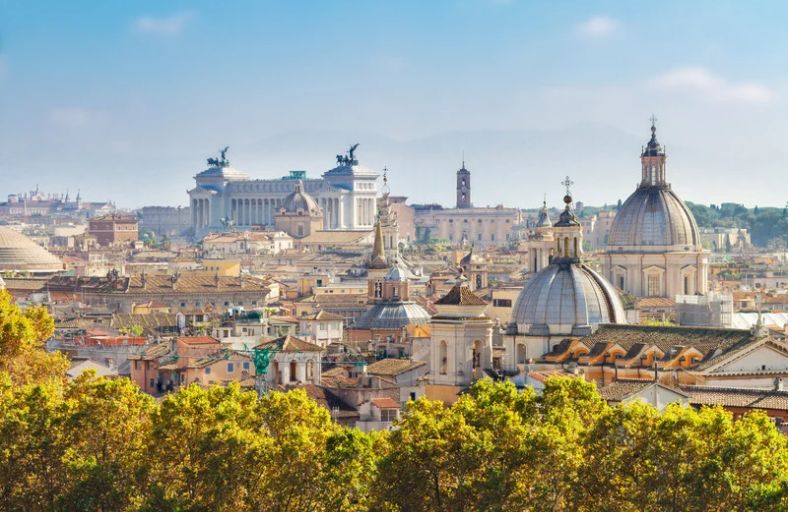

Rome is considering measures to preserve the historic character of its 3,000-year-old centre, which makes the city an appealing destination for international travellers.
In an interview with Bloomberg, Rome’s mayor, Roberto Gualtieri, said that preserving the city’s historic character depends on measures that allow its historic neighbourhoods to retain their residential character, rather than on introducing an entry fee.
“It would make no sense to introduce a city entry fee here, as they did in Venice,” Gualtieri said, making clear that Rome should remain open to tourists while preserving the identity of its neighbourhoods.
The aim, he said, is for visitors to continue to have access to authentic local shops and restaurants, while ensuring that the city’s historic areas do not become places that cater exclusively to tourism.
With this in mind, the city is developing rules to limit short-term rentals, although the regulatory framework has yet to be finalised. The mayor stressed the need to give local authorities the necessary powers to intervene effectively in the tourist accommodation market and protect the availability of housing for permanent residents.
This approach differs from that of Venice, which trialled a €5 fee for day visitors entering its historic centre. According to Gualtieri, such a measure is better suited to Venice because of its smaller size and the large number of visitors who arrive for just a few hours, without staying overnight and therefore without paying accommodation taxes.
The debate highlights two different approaches to managing tourism in historic European cities: on the one hand, introducing financial disincentives for day visitors and, on the other, intervening in the housing and short-term rental markets to preserve permanent residency and local economic life.
