


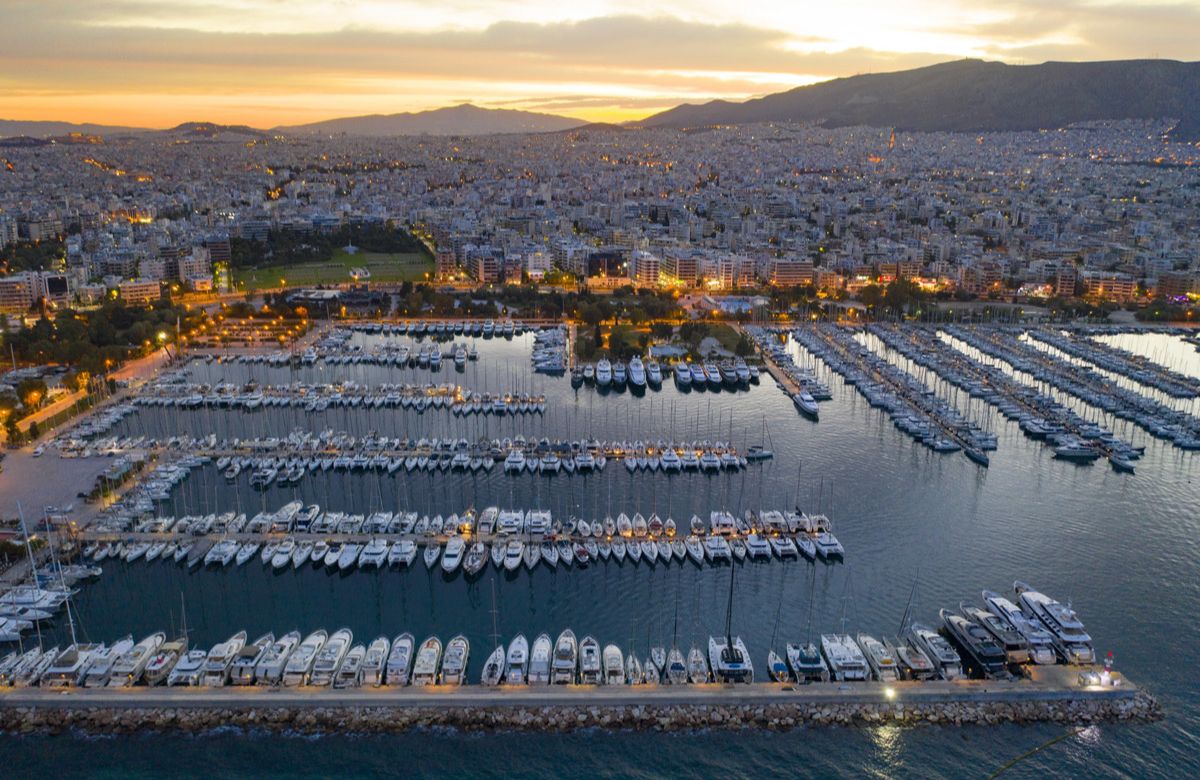

Although Greece boasts one of Europe’s richest coastlines and a maritime tourism sector that excels internationally, it remains strikingly behind in the creation of luxury marinas. While the Mediterranean experiences a rapid expansion in berthing infrastructure for mega yachts, with marinas complemented by five-star hotels, luxury residences, and high-end services, Greece lags far behind.
Data from diaNEOSIS highlight this Greek paradox. The country has designated 168 tourist ports, based on a plan for 25,712 berths. In practice, however, only 37 are operational, offering approximately 8,499 berths. Specifically for marinas, out of 62 planned sites, only 23 are functioning. As a result, Greece ranks last among 16 countries in terms of operational berths relative to its potential. Bureaucracy, the complexity of the regulatory framework, overlapping responsibilities, and slow licensing are considered by investors as key obstacles that delay or discourage both new developments and the upgrading of existing marinas.
The marina network in the Mediterranean
In other Mediterranean countries, marinas have evolved into luxurious small “cities on the water.” Italy is seen as a frontrunner, hosting the largest number of superyacht berths in the Mediterranean, around 2,900, with marinas that incorporate hotels, spas, residences, and commercial spaces. Marina d’Arechi on the Amalfi coast and Capo d’Orlando in Sicily are prime examples of modern destinations where clients choose the marina not only for the safety of their vessel but also for the onshore experience it offers.
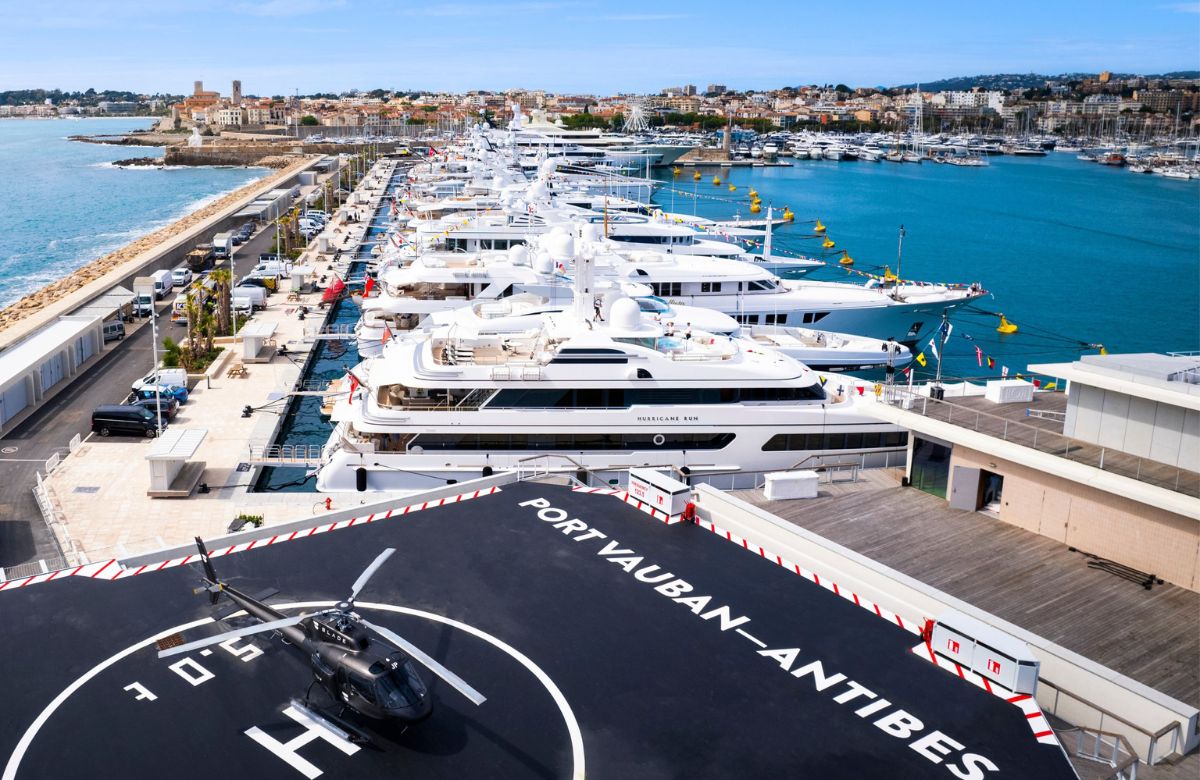
France has developed a network of marinas that directly aligns with its high-end tourism image. Port Vauban in Antibes, the largest yacht marina in Europe with around 1,500 berths, serves as a gateway to the French Riviera. There, as in Saint-Tropez, moored yachts are just meters away from luxury hotels, boutiques, restaurants, and clubs, creating an environment where the promenade, hotel pool, and yacht deck form an almost seamless luxury experience.
In Spain, marinas such as Puerto Banús in Marbella and Port Adriano in Mallorca combine high-quality berthing with ultra-luxurious onshore entertainment. Port Adriano has been redesigned to accommodate vessels up to 60 meters and is surrounded by restaurants, bars, shops, and hotel facilities catering to a very affluent clientele. Similarly, in Monaco, Port Hercules stands as a global symbol of ultimate luxury, hosting over 760 vessels and linking the marina experience to the city’s top hotels, casinos, gourmet restaurants, and international events such as the Formula 1 Grand Prix.
Montenegro, though a small country, has established itself as an international destination for superyachts thanks to investments such as Porto Montenegro and Marina Portonovi. Here, marinas were designed from the start alongside luxury resorts, branded residences, five-star hotels, high-specification marina infrastructure, conference facilities, and extensive waterfront promenades. The five-star identity extends beyond room quality to the overall level of service, including crew facilities, technical services, security, gastronomy, and lifestyle experiences.
What’s happening in Greece
In this context, Greece appears to be moving more slowly but is now attempting to regain lost ground. Alimos Marina, the largest in the country and one of the most significant in the Eastern Mediterranean, is entering the implementation phase of an ambitious €100 million redevelopment plan. REDS, a subsidiary of the ELLAKTOR Group, aims to transform the marina into a multidimensional destination for hospitality, culture, and maritime tourism. Specifically, on the land area of approximately 210 acres, new buildings totaling 17,750 sq.m., 810 parking spaces, and modern infrastructure will be developed, while the marina will accommodate 979 vessels: 873 recreational, 95 for nautical sports, and 11 fishing boats.
On the western side, near Edem Beach, a high-end hotel will be constructed to serve as a landmark for the new destination, fully in line with the European model of marinas that host their own five-star accommodation. Along Poseidonos Avenue, office, retail, and leisure spaces are planned, while restaurants and dining areas will be developed on the central pier. The existing swimming pool will be preserved and upgraded, the Alimos Sailing Club will be relocated to the eastern side next to the coastal park, and the entire area will be integrated with extensive green spaces, bike paths, walking trails, and rooftop landscaping to ensure smooth urban integration.
Simultaneously, two major projects are progressing in tourist ports, signaling the gradual revival of mega-yacht marinas in Corfu and the historic Agios Kosmas Marina in Elliniko. In Corfu, attention is focused on the creation of the first marina of this scale built from scratch in the last 20 years. Lamda Development’s project is expected to reshape maritime tourism in the Ionian, accommodating up to 410 vessels of up to 140 meters. The investment exceeds €140 million, with construction expected to start in 2025 and the marina welcoming its first yachts in 2028. The facility will occupy a land area of 39,400 sq.m., located west of Corfu port’s cruise pier, further enhancing the island’s tourism profile.
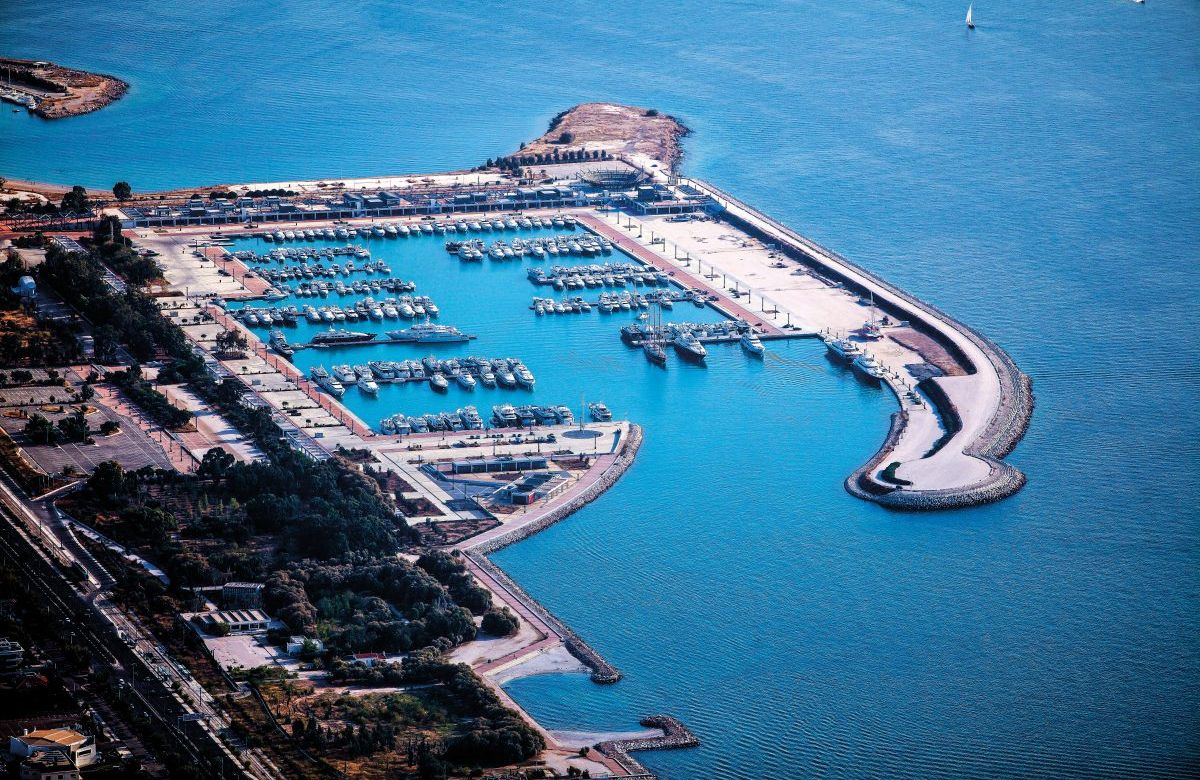
Further south, on the Athens Riviera, Agios Kosmas Marina is being upgraded as part of the Elliniko project. The €25 million development includes deepening and rebuilding the piers to accommodate vessels up to 100 meters, creating a new central pier, and establishing a seaside promenade that will turn the marina into a landmark for residents and visitors. Upon completion of the first phase, the marina will offer 300 berths, alongside complementary uses such as shops, restaurants, outdoor event spaces, parking, offices, and even a helipad. A hotel and luxury residences are also planned.
In Astakos Bay, the Nautilus Project foresees a marina with 350 berths, including spots for mega-yachts, as well as a five-star luxury hotel, villa and residential complexes, a convention center, cultural spaces, and commercial shops. The investment has attracted strong interest from Arab capital via MYMAR Nautilus Investment Limited, while the first construction phase is expected to create 1,150 jobs.
A special case is Rhodes Marina, which will feature a small five-star facility exclusively serving the marina, along with 22 luxury villas and 13 maisonettes built over the water.
Equally critical for the future of maritime tourism infrastructure are pending issues that must be resolved to unlock already planned projects. A key example is the completion of the transfer of Pylos Marina, granted by the Hellenic Corporation of Assets and Participations (HCAP) for 40 years to the D Marinas Hellas – TEMES consortium. The investment plan, exceeding €10 million, foresees a full upgrade of the marina’s infrastructure and operational capacity, offering 130 berths for vessels of 8–30 meters, new land facilities for leisure, commercial activities, parking, and technical support services for boats and tourism.
