



Ireland is entering a new era for the short-term rental sector as the government prepares to introduce a national register for short-term rentals alongside a new regulatory framework that is expected to reshape the country’s self-catering industry.
Like many European destinations, Ireland is trying to strike a balance between addressing the housing crisis, supporting tourism and protecting local communities. While policymakers argue that stricter regulation is necessary to increase the supply of long-term housing, industry representatives insist that self-catering accommodation plays a vital role in regional tourism and local economies, particularly in rural areas where hotel capacity is limited.
In this exclusive interview with BnBNews, Máire Ní Mhurchú, CEO of the Irish Self Catering Federation (ISCF), discusses the current state of Ireland’s short-term rental market, the proposed regulations, the challenges facing small accommodation providers and why she believes the sector should be seen as part of the solution—not the problem.
“Ireland needs a clear and transparent register for short-term rentals”
How would you describe the current state of the short-term rental market in Ireland? Approximately how large is the sector, and what impact do you expect the new regulatory framework to have?
The Irish Self Catering Federation represents primarily small family-owned self-catering businesses, as well as marketing agents and owners of second homes.
According to Fáilte Ireland, self-catering accommodation accounts for around 40% of Ireland’s tourism bed capacity, making it a significant part of the country’s visitor economy.
At present, there is no accurate national database showing exactly how many short-term rental properties operate across Ireland. The previous register was discontinued in 2008, and current estimates suggest there could be as many as 32,000 units nationwide.
The ISCF represents approximately 6,500 quality-assured self-catering properties, while Fáilte Ireland currently has around 2,000 properties participating in its Quality Assurance Scheme.
Our Federation has been calling for the introduction of a national short-term rental register since 2017 because reliable data is essential for evidence-based policymaking. We support the creation of a register.
However, our main concern is that registration is being linked to retrospective planning permission requirements that could place many existing small businesses at risk.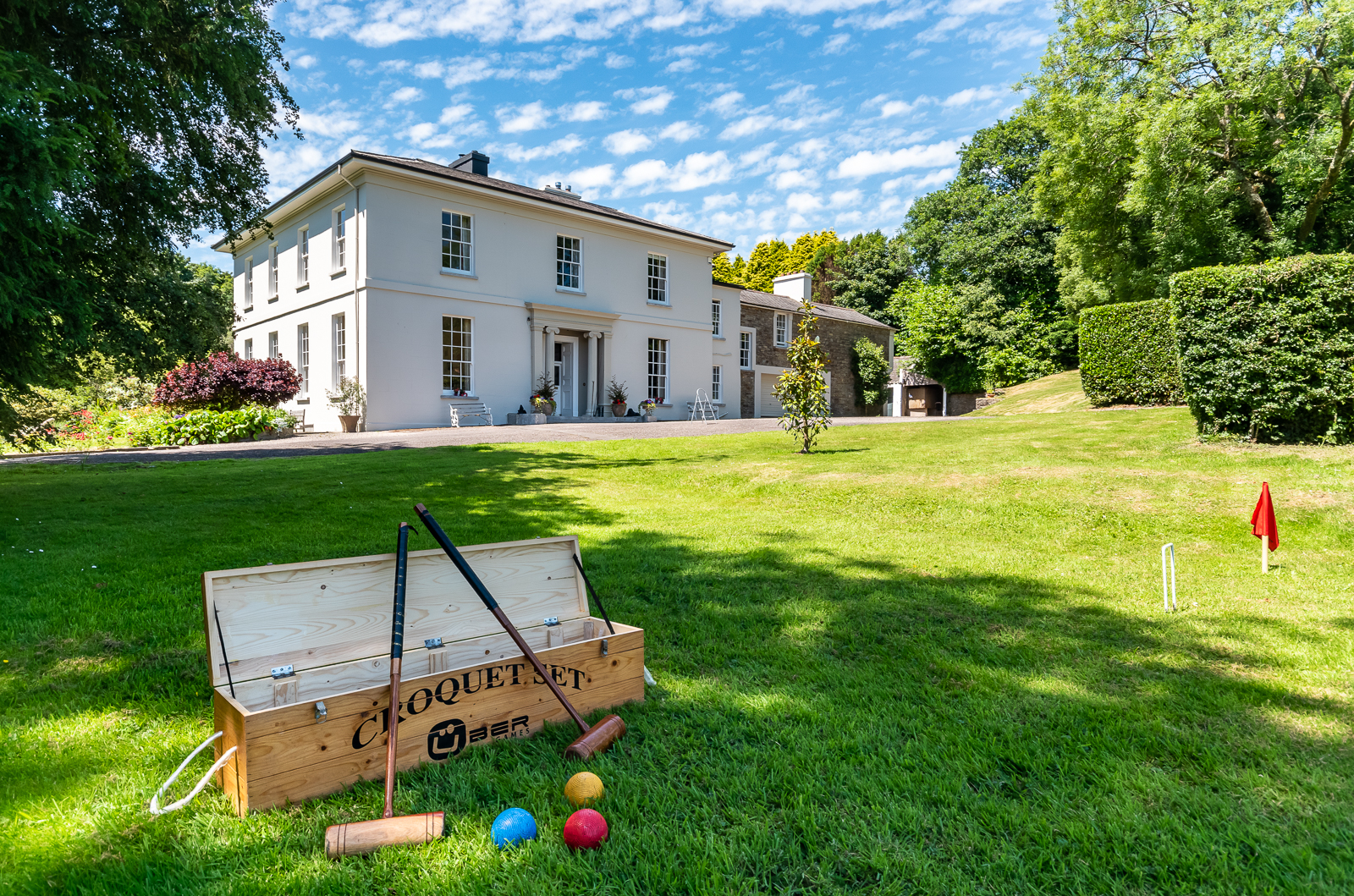
One of the main arguments behind stricter regulation is the housing crisis, with critics claiming that some short-term rental properties should return to the long-term housing market. How do you respond to this argument?
Self-catering accommodation and Bed & Breakfast businesses have been part of Ireland’s tourism landscape since the 1950s. They did not create the housing crisis, nor are they the solution to it.
Ireland’s housing shortage has multiple causes, including insufficient house building, an overly complex planning system and a large number of vacant and derelict properties across the country.
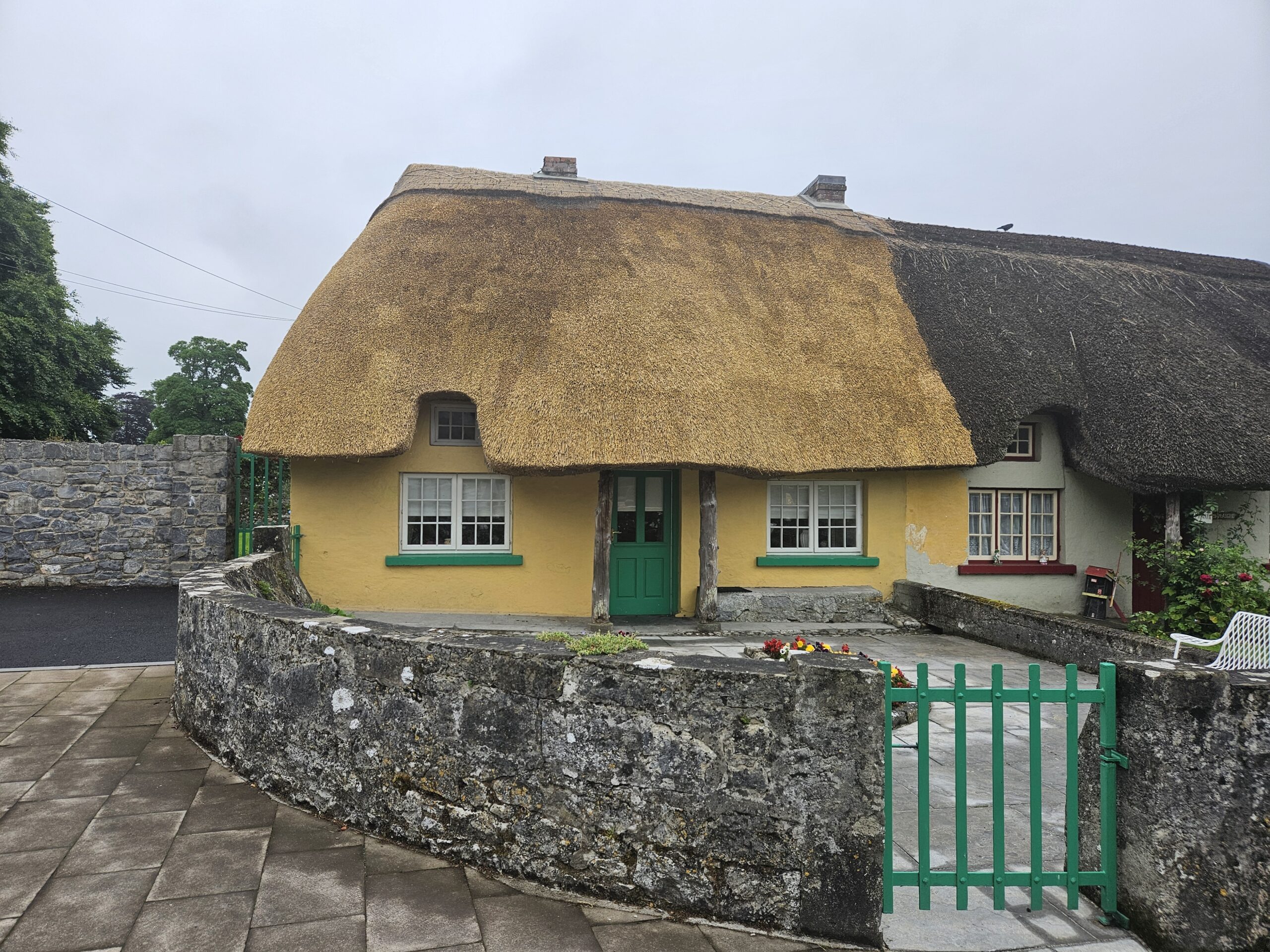
Many self-catering properties are located in rural areas where there are few, if any, hotels. In many of these destinations, building large hotel developments is neither economically viable nor environmentally appropriate.
We recently surveyed our members and found that 89% of property owners said they would not move their accommodation into the long-term rental market, even if short-term letting became impossible.
The greatest demand for long-term housing exists in urban areas, particularly for apartments. The housing debate needs to focus on the real causes of Ireland’s housing shortage rather than placing the blame on rural tourism businesses.
“Self-catering accommodation is essential for rural communities”
Public debate around short-term rentals often focuses on housing. In your view, what are the most important economic and social benefits that the sector brings to Ireland, local communities and the tourism industry?
Self-catering accommodation plays a crucial role in sustaining rural Ireland.
It enables families to generate income in areas where employment opportunities are limited and tourism relies largely on small, locally owned businesses rather than large hotel developments.
Many self-catering businesses are owned and operated by women and provide employment opportunities for women in rural communities, making an important contribution to local economies.
A good example is the Wild Atlantic Way, Ireland’s iconic 2,500-kilometre coastal touring route stretching from County Cork to Donegal. Much of this region has very limited hotel capacity, making self-catering accommodation an essential part of the visitor experience.
Self-catering businesses do far more than provide accommodation. They support restaurants, cafés, local producers, activity providers and countless small businesses that depend on tourism revenue.
Beyond regulation, what are the biggest challenges currently facing self-catering businesses in Ireland? Are rising operating costs, insurance, labour shortages and profitability becoming major concerns?
Like the wider hospitality industry, self-catering businesses are facing a combination of economic pressures.
Operating costs have increased significantly in recent years. Many properties still rely on oil-fired heating systems, making energy costs a major concern.
Labour shortages also remain a challenge. Ireland’s labour market is close to full employment, meaning many family-run businesses depend heavily on family members to manage cleaning, maintenance and day-to-day operations.
Insurance is another major issue. Public liability insurance is essential for self-catering accommodation, yet since Brexit there has been a limited choice of insurers willing to provide specialised cover for the sector.
The overall cost of doing business continues to rise. Ireland’s minimum wage now stands at €14.15 per hour, while self-catering accommodation is subject to a 13.5% VAT rate, adding further pressure on small and medium-sized tourism businesses.
The tourism industry is evolving, with travellers increasingly seeking authentic experiences, nature and local connections. How is Ireland’s self-catering sector adapting to these changing travel trends?
Self-catering accommodation is well positioned to meet these changing expectations because authenticity, independence and a strong connection to the destination have always been at the heart of the product.
Today’s travellers want much more than simply a place to stay. They are looking for local recommendations, outdoor experiences, cultural activities and opportunities to engage with the communities they visit.
The ISCF encourages property owners to develop their own websites and strengthen their digital presence with locally focused content that can also be easily discovered through AI-powered search.
We want visitors to discover Ireland’s Greenways, Blueways, scenic landscapes, traditional music and the Irish language—experiences that make each destination unique.
International demand also remains strong. The United States continues to be Ireland’s largest overseas tourism market, while the launch of direct flights from Shanghai to Dublin opens up new opportunities for future growth.
We are also expecting increased demand ahead of the Ryder Cup, which Ireland will host next year.
“There must be room for both family-run businesses and professional operators”
The sector is becoming increasingly professionalised. How do you see the future balance between individual hosts, family-run businesses and larger professional property management companies?
Professional property managers play an important role, particularly in regional and rural areas, where they work closely with owners of second homes and help deliver high-quality accommodation for international visitors, premium travellers and specialised markets such as film productions.
At the same time, the Irish Self Catering Federation operates its own Quality Assurance Scheme, ensuring that member properties meet high standards of quality and guest experience.
Unfortunately, the lack of clarity surrounding the new short-term rental register and the associated planning requirements has created considerable uncertainty. Over the past few years, a number of professional property management businesses have struggled to grow—or even sell their businesses—because investors have been reluctant to enter a market without a clear regulatory framework.
Our objective is to create a stable environment where both family-run businesses and professional operators can continue to invest and contribute to Ireland’s tourism industry.
What is the current relationship between Irish self-catering operators and major online platforms such as Airbnb, Booking.com and Vrbo? Do you believe platforms should have greater responsibility in ensuring compliance with national regulations?
The ISCF maintains an ongoing dialogue with the major online travel platforms, including Airbnb, Booking.com and Vrbo. We discuss issues relating to the upcoming short-term rental register, planning requirements and the wider regulatory framework.
We also represent the sector in discussions with government departments and policymakers, ensuring that the views of self-catering businesses are heard throughout the legislative process.
One of Ireland’s biggest challenges has been the absence of a comprehensive register. Without reliable data, it has been difficult to distinguish between different types of short-term rental accommodation or accurately assess the sector’s contribution.
A transparent registration system will benefit everyone—but it must be practical, proportionate and supported by clear planning guidelines.
 Both the Irish Self Catering Federation and STAMA Greece are members of the European Holiday Home Association (EHHA). How important is this European cooperation at a time when short-term rental regulations are becoming increasingly harmonised across Europe? What value does EHHA bring to its national member associations?

“The proposed 20,000 population rule could fundamentally reshape Ireland’s accommodation market”
What are the most significant elements of the proposed legislation, and why is the sector concerned?
Two aspects of the proposed legislation are causing particular concern.
The first is the proposed “20,000 population rule”, under which self-catering accommodation would only be permitted in locations with fewer than 20,000 residents. This would effectively exclude most major towns and cities across Ireland, leaving hotels as the primary accommodation option in many urban areas.
Equally concerning is that there is currently no indication that this restriction would be temporary.
The second issue is the proposed “grandfather rule”, which would allow businesses that have been operating continuously for at least seven years to apply for planning permission before joining the national STR register.
However, local planning authorities have not yet received detailed guidance from central government, meaning many existing businesses are unable to move forward with their applications.
At the time of this interview, the legislation establishing the national STR register had not yet been published by the Irish Government, despite earlier expectations that it would be released during the summer.
“The future depends on fair and proportionate regulation”
Looking ahead, what is the biggest opportunity and what is the biggest threat facing Ireland’s self-catering sector over the next five years?
The greatest opportunity lies in finally having reliable data on the sector. A well-designed national register would provide a much clearer picture of Ireland’s short-term rental market and support the development of more sustainable tourism policies, particularly in rural areas.
Self-catering accommodation should receive the same level of recognition and support as the hotel sector, especially in marketing, digital development and destination promotion.
Ireland also has significant potential to develop new self-catering products, particularly in agritourism and rural tourism, replacing accommodation stock that has gradually disappeared from the tourism market.
The greatest threat is that a registration system linked to planning requirements that are currently impossible for many businesses to meet could force hundreds of small and medium-sized operators to close.
At the same time, there is concern that the market could gradually become dominated by large investment companies, reducing the role of locally owned family businesses that have traditionally generated income and employment within rural communities.
We are not opposed to regulation. On the contrary, the Irish Self Catering Federation has advocated for a national register for many years. What we are seeking is regulation that is fair, balanced and proportionate—one that protects local communities while allowing small tourism businesses to continue contributing to Ireland’s visitor economy.
