


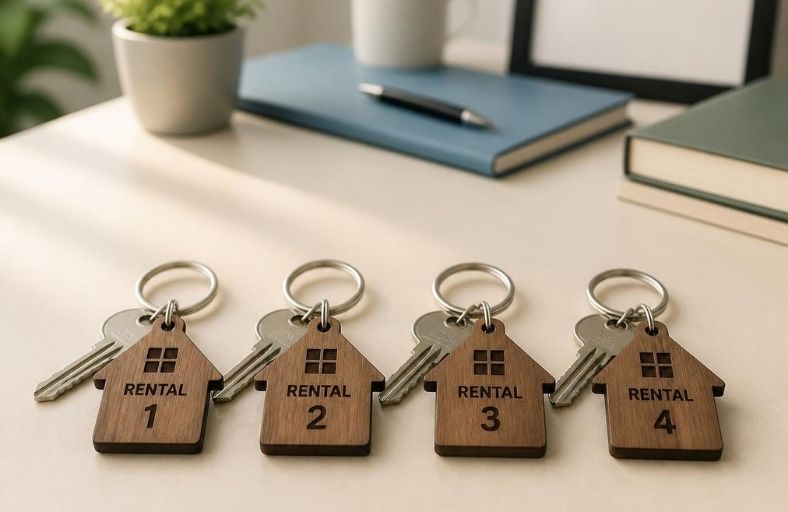

In short-term rentals, every new property is an opportunity for growth, but it also adds a new requirement: to offer the same good experience to more guests, in more addresses. The question for a management company is when its organization needs to change in order to support this growth.
AirDNA’s analysis highlights the difficulty. In the U.S., 55.9% of hosts with one listing achieve a rating of at least 4.9. In portfolios of 20–49 listings, the share falls to 20.6%, while above 500 listings it drops to 0.6%.
When personal care needs to become a system
With one apartment, the host can personally know every small pending issue. With dozens, procedures are needed to ensure that a fault is recorded, cleaning is checked and the guest’s message reaches the right person on time.
A useful question before the next expansion is therefore: could the team maintain the same level of service if it took on ten more properties tomorrow?
What sets highly rated managers apart
AirDNA examined the top 25 in its 2026 ranking, all with more than 100 listings in the U.S. The selection is based on guest ratings, weighted by reviews, and not on the companies’ profits.
In their properties, 70% have a rating of at least 4.9, compared with 22% among other large managers. They stand out in cleanliness and maintenance, maintain a high response rate across all listings and respond more often to reviews.
For the manager, reviews can also work as a control tool. If the same complaint is repeated, it is worth examining the process that causes it: the preparation of the property, the arrival instructions or the way requests are handled.
More bookings with almost the same prices
Compared with similar properties in the same market, the 25 managers charge only 1% more, but achieve 13% more booked nights. They adjust their prices more often, have more photos and usually set a minimum stay of three nights.
The findings describe practices in the U.S. market; they are not a ready-made recipe for every Greek property. Length of stay and pricing need to be adapted to demand and operating costs.
For a growing business, however, monitoring only total bookings is not enough. It needs to see what is happening in each property separately: where complaints appear, where responses are delayed and where day-to-day operations require constant personal interventions.
