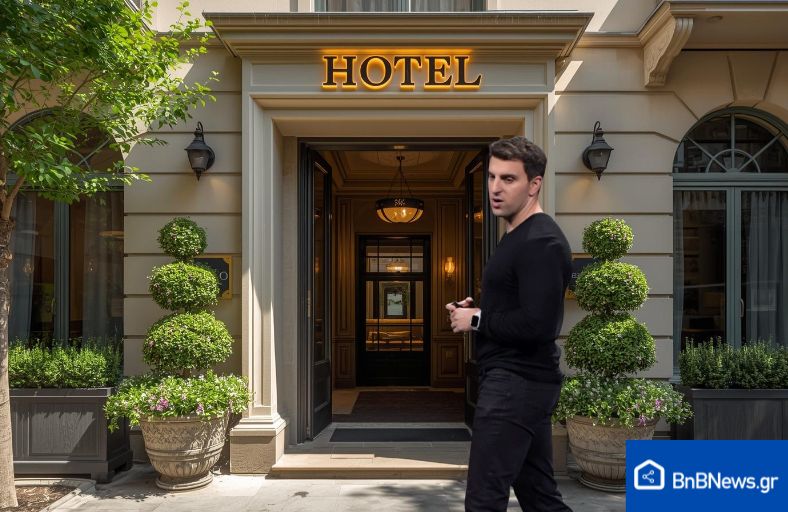

Airbnb CEO Brian Chesky announced during the Q2 earnings call with financial analysts the company’s intention to enter the hotel space. But what does this move mean for short-term rental managers?
An insightful analysis from rentalscaleup.com provides some answers. Here are the key points:
This strategy signals a head-on confrontation with Booking.com, which dominates online hotel distribution—especially in Europe—while also listing millions of short-term rentals. Airbnb, once positioning itself as the “alternative to hotels,” now seems intent on playing both sides.
Why now?
The move serves two main purposes:
A signal to investors: Airbnb shows it is pursuing easier growth sources such as hotels, rather than experimental services like Experiences.
Reassurance to analysts: Hotels represent a mature market with existing demand, unlike new services that require building both supply and demand.
Airbnb already has millions of travelers searching for accommodation. Its acquisition of HotelTonight provides know-how and a channel to boutique hotels, while the promise of lower commissions compared to Booking.com’s 15–17% could be highly attractive to smaller properties.
Not Hilton and Marriott – but boutique and family-run hotels
When Chesky talks about “hotels,” he doesn’t mean the big multinational groups. The focus is on:
boutique hotels with 10–50 rooms,
family-run inns,
licensed B&Bs that operate much like small hotels.
These are properties aligned with Airbnb’s “local” and “experiential” image, while also being less affected by restrictions on short-term rentals in major cities.
Strategic challenges
Visibility on the platform: Hotel and B&B categories are not currently promoted as prominently as homes. Without better placement, their listings remain “hidden.”
Marketing contradiction: Airbnb has spent years portraying hotels as “cold and impersonal.” Now it must reframe its narrative.
Loyalty program in the U.S.: Without a rewards scheme, Airbnb lags behind hotel chains and Booking. Chesky hinted at something “more original than traditional points.”
What it means for hosts
For short-term rental managers, the entry of hotels on Airbnb may bring more traffic, but also increased competition in searches and pricing. For independent hotels and B&Bs, however, it opens a new gateway to millions of American travelers, with lower commissions and access to a different audience than Booking’s.
In short, Airbnb is attempting a shift that could determine whether it remains the “anti-hotel” platform we once knew—or emerges as a front-line player in the hotel industry itself.