



Europeans continue to travel; however, they are significantly changing the way they choose, organize, and book their holidays in 2026. In fact, demand for short-term rentals from German travelers is noticeably lower this year (33% last year, 26% in 2026).
This conclusion emerges from the Europe Consumer Travel Report 2026 by Phocuswright, which surveyed travelers from the United Kingdom, France, and Germany.
The report’s key finding is that travelers are spending less time searching for information compared to last year, while online travel agencies (OTAs) have now overtaken search engines as the primary tool for planning a trip.
At the same time, artificial intelligence is beginning to play a greater role, mainly in destination selection, although it remains a secondary tool for the majority of travelers. Meanwhile, recommendations from friends and relatives continue to be the strongest source of influence.
The report also shows that travelers are becoming more price-sensitive, showing less interest in long-haul destinations and placing greater emphasis on convenience, flexibility, and personalized recommendations when planning their holidays.
United Kingdom: The travel champion
Britons remain the most active travelers among the three markets. A total of 77% traveled by air, a figure slightly lower than in 2025, while domestic travel increased (61%). Travel to other European countries also remains particularly popular (60%).
Britons place greater importance on the speed and ease of the booking process, while making greater use of location-based services (31%) compared to the French (17%) and Germans (16%).
 France: A shift toward road trips and alternative accommodation
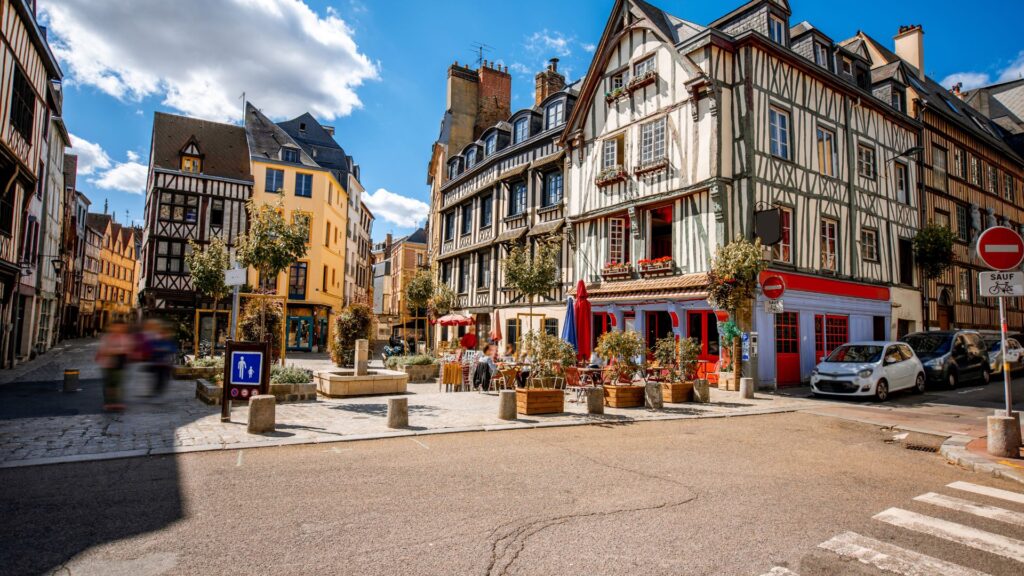 France: A shift toward road trips and alternative accommodation
France records the highest preference for alternative accommodation and travel by road and rail. A total of 44% choose rental homes or apartments, 60% take road trips using a private or borrowed car, while 40% travel by train or choose a rental car. In addition, 57% stay with friends or relatives.
The most significant change concerns destinations: domestic travel within France declined from 65% to 49%, while travel to other European countries increased from 37% to 45%.
French travelers also show greater interest in activities at the destination, such as multi-day excursions, guided tours, and wellness experiences.
German travelers: Demand for short-term rentals declines
Germany recorded the largest increase in both air travel and overall travel spending.
At the same time, Germans appear less favorable toward short-term rentals. The share choosing homes and apartments fell from 33% to 26%, while hotels remain the dominant accommodation choice (65%).
Preference for all-inclusive accommodation (25%) and higher-category hotels (27%) has also increased, indicating a shift toward more organized forms of hospitality.
