


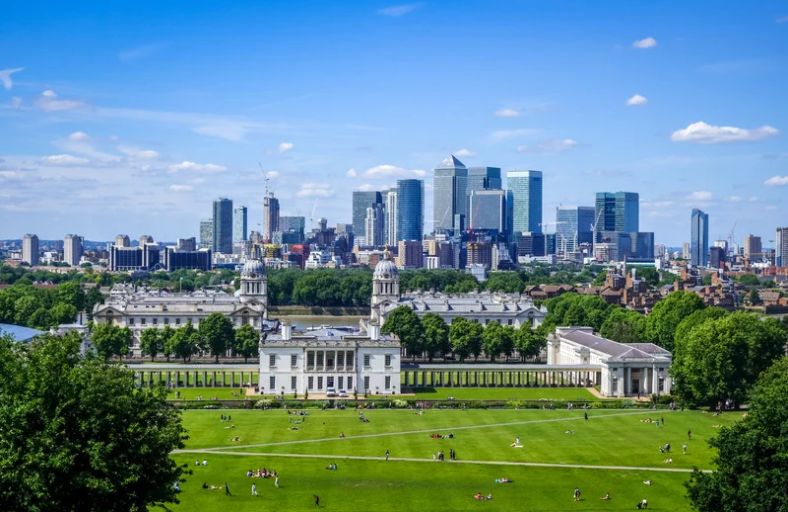

The British government is proposing a new taxation model for tourist accommodation, giving mayors and local authorities in England the power to impose a levy on visitors staying overnight in their areas. The measure would cover almost the entire accommodation sector, including hotels, guesthouses, holiday homes and short-term rental properties such as Airbnb.
The proposed legislation, known as the Visitor Levy (England) Bill, has been introduced in the House of Commons. It aims to establish a new mechanism for generating tourism revenue that would remain within local communities and could be used to fund infrastructure, transport, cultural events and tourism facilities.
How the tourist tax would be calculated
Unlike systems that impose a fixed charge per night, the British proposal would calculate the levy as a percentage of the accommodation price, excluding VAT. Each local authority would determine its own rate, while ten mayors have already pledged not to set the levy above 5%.
Accommodation providers would be responsible for declaring and paying the levy to the relevant authorities. The charge would apply to the first 28 consecutive nights of a stay, while exemptions would be provided for certain types of accommodation, including student residences, care facilities, emergency accommodation and shelters.
Special provisions would also apply to people who occasionally rent out a room in their own home. They would only be required to pay the levy if their revenue exceeded a specified threshold, which local authorities would be able to adjust.
Who would decide whether to introduce the levy?
The decision to introduce the tourist tax would rest with mayors and the relevant strategic authorities, following a consultation process involving residents and businesses.
Any authority wishing to implement the measure would first have to publish a proposal accompanied by an impact assessment. This would outline the proposed rates, applicable thresholds and exemptions. Local businesses would have the opportunity to submit their views, while local councils could propose amendments.
In North East England, Mayor Kim McGuinness has suggested that the revenue could fund festivals and other initiatives aimed at attracting more visitors. Similarly, David Skaith, Mayor of York and North Yorkshire, has expressed his intention to introduce the levy.
However, businesses in popular seaside destinations such as Scarborough and Whitby have raised concerns that higher accommodation costs could discourage British holidaymakers from choosing domestic destinations.
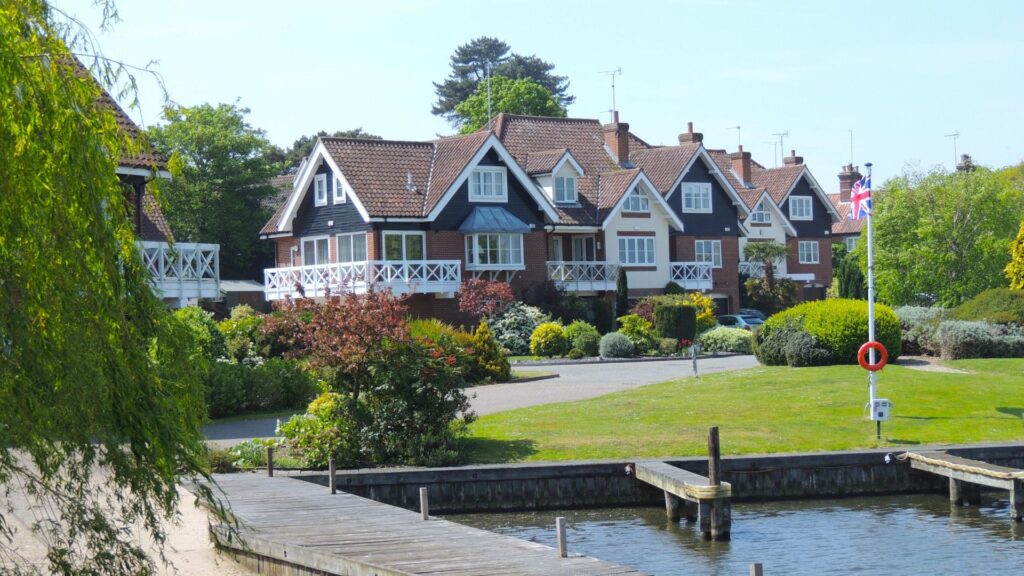
Reactions from the hospitality industry
The proposal has sparked opposition from the hospitality sector. Allen Simpson, Chief Executive of UKHospitality, described the bill as particularly burdensome for family holidays, warning that it could put 33,000 jobs at risk.
The organisation has also expressed concerns about the considerable discretion mayors would have in setting the levy and allocating the revenue. According to UKHospitality, there are insufficient legal safeguards to ensure that the money collected would be reinvested in the tourism and hospitality sector.
The government, on the other hand, argues that the measure would allow local communities to benefit more directly from tourism activity. Housing, Communities and Local Government Secretary Angela Rayner has emphasised that the revenue would remain in the areas where it is collected, supporting transport, street cleaning, local businesses and visitor attractions.
It is worth noting that similar systems already operate in certain parts of England through Business Improvement Districts. In Greater Manchester, for example, a £1 charge per room per night has been in place since 2023. The scheme has generated £2.8 million, with funds being used, among other purposes, to support street cleaning initiatives.
The new legislative initiative represents a significant shift in how local authorities in England could finance their tourism infrastructure. At the same time, it has reignited the debate over whether additional taxation on overnight stays can strengthen tourist destinations without placing an excessive financial burden on visitors and businesses operating in the tourism sector.
