


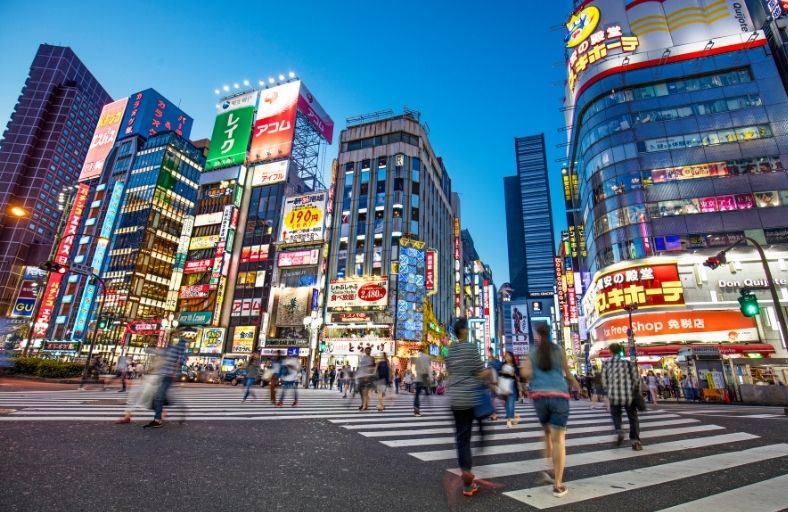

Shinjuku is moving toward strict restrictions on short-term rentals, as Tokyo’s Shinjuku district, one of the city’s busiest and most popular tourist areas, has seen a significant increase in residents’ complaints about problems linked to tourists and Airbnb-type accommodations.
The local authority plans to ban the operation of private accommodations in residential areas, as well as in areas near schools. According to a district official, the new rules are expected to affect more than half of the short-term rental accommodations currently operating in Shinjuku.
Complaints increased by 40%
Shinjuku is one of Tokyo’s most important tourist and commercial destinations, with a vibrant nightlife and thousands of visitors every day. At the same time, however, it has a large permanent population, which is increasingly complaining about the impact of tourism activity.
According to local authorities, complaints about holiday accommodations increased by around 40% in the fiscal year that ended in March.
Among the most common complaints are improper disposal of rubbish, smoking in areas where it is prohibited, as well as excessive noise.
“As the number of private hospitality businesses increases, complaints and problems associated with them have also increased,” said a Shinjuku official to AFP, on condition of anonymity.
Almost 10% of Japan’s short-term rentals
The area is home to almost 10% of the approximately 42,000 short-term rental accommodations operating in Japan, making the issue particularly important for local authorities.
The planned ban is part of Japan’s broader effort to address the effects of so-called “overtourism,” as the country continues to welcome an increasing number of visitors.
The problem is not limited to Tokyo. In Kyoto and other popular tourist destinations, residents have expressed their strong annoyance over large tourist crowds, congestion on the roads and rising property prices.
