


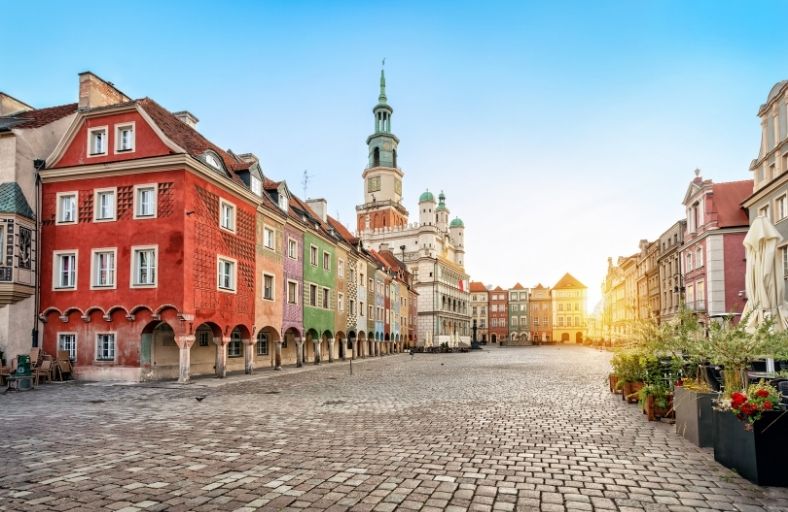

Short-term rentals in Poland are facing significant changes, as the reform approved by the lower house of parliament gives municipalities and building co-owners tools to restrict or ban the activity.
For owners and property management companies, the key issue is the link between operating a rental property and decisions that may be taken for the neighbourhood or the building itself. Registration alone will not be enough to ensure that a property can continue to be offered for short stays.
The Sejm, Poland’s lower house of parliament, approved the reform on 8 October 2026. Further stages of the legislative process will follow, meaning the provisions do not yet constitute a final framework in force.
Area-specific bans
The text provides that municipal councils will be able, following a proposal from the municipal authorities, to designate zones where short-term rentals are prohibited.
This power allows for measures tailored to local conditions. A decision could apply to specific areas, property categories or periods, rather than imposing the same restriction across the entire municipality.
These powers are expected to take effect from 1 January 2028. A transitional period of at least six months from the publication of each decision is also provided for before a zone takes effect.
Building co-owners also get a say
At the same time, co-owners’ associations and housing cooperatives will be able to decide to ban the activity in properties under their authority.
If such a decision is taken, the operator will have six months to cease the activity in the building concerned.
This is an important consideration for those planning to invest in short-term rental apartments: alongside national requirements and municipal restrictions, they will also need to examine the decisions that may be taken at building level.
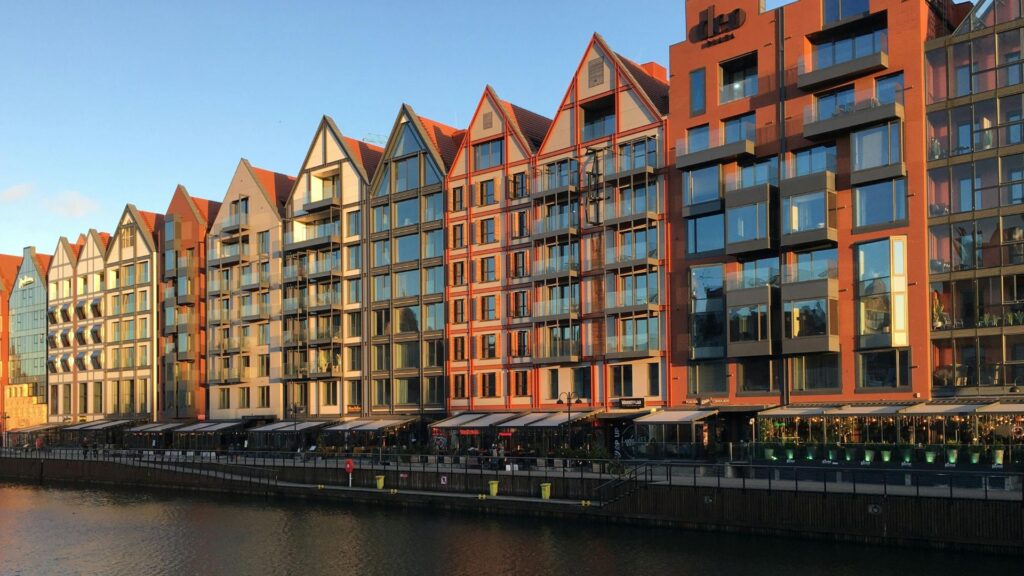
Registration and fines
The reform brings short stays of up to 30 days within the framework for hotel-type services and provides for mandatory registration of accommodation properties.
The registration number will have to appear in offers, including listings on digital platforms. Operating without registration or failing to display the number in an offer would carry a fine of up to 50,000 złoty.
Businesses will also need to have operating rules and a designated contact person for matters concerning safety and public order.
Three violations could lead to removal from the register
Particular emphasis is placed on repeated disturbances. If the competent authorities establish three safety or public order violations within six months, the property would be removed from the register.
Residents, co-owners’ associations and housing cooperatives will be able to request inspections, strengthening their ability to address problems such as recurring noise.
For short-term rentals in Poland, the proposed change therefore combines market registration with greater local oversight. The final scope of the obligations and the implementation timetable will be determined upon completion of the legislative process.
