



The British government is considering granting more powers to local authorities for the management of short-term rentals and second homes, in an effort to address the pressures placed on local housing markets and increase housing availability for permanent residents.
The Housing Minister, Matthew Pennycook, confirmed the plans while responding to a relevant parliamentary question, stressing that the government is examining the possibility of providing additional powers to local authorities so they can more effectively address the impact caused by short-term rentals and second homes on local property markets.
“We are looking at what additional powers we can give to local authorities, so that they can respond to the pressures created by short-term rentals and second homes,” the minister stated.
The government has already proceeded with a series of measures aimed at limiting the phenomenon. Local councils now have the ability to impose an increase of up to 100% on the council tax for second homes, while from October 2024 the stamp duty surcharge on the purchase of second homes increased from 3% to 5%.
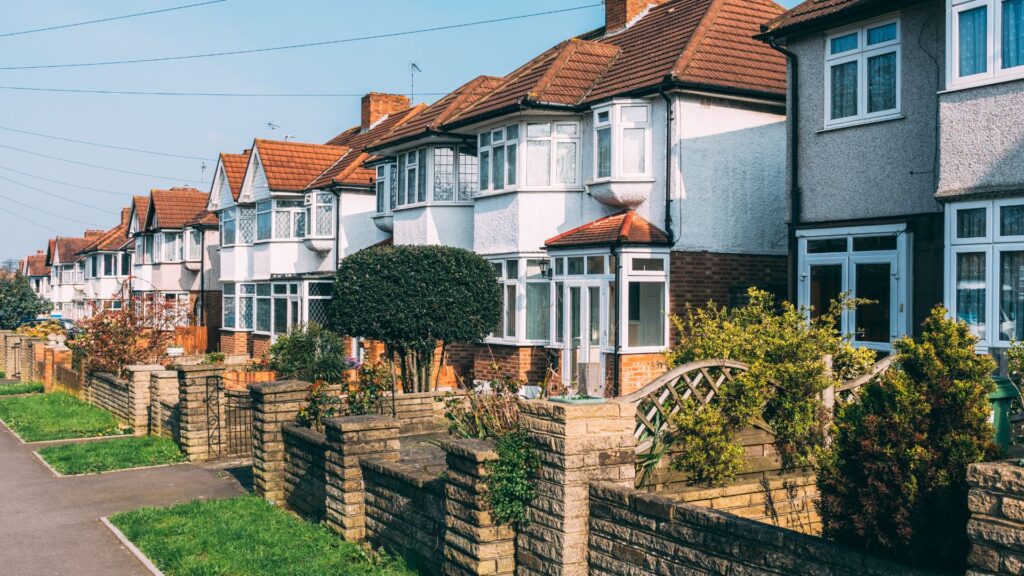
New powers for local authorities and a national short-term rental register
The new initiatives come as a continuation of the pressure faced by the government to introduce a stricter framework for the operation of short-term rentals, as in several areas of the country their extensive growth is considered to be reducing housing availability for permanent residents and contributing to rising prices.
At the same time, London is planning the introduction of a mandatory national register for short-term rentals. Under the new system, all owners offering properties for short-term rental will have to register in the database, display a unique reference number on every online listing, and certify that the property complies with the applicable safety standards, such as fire safety regulations, gas installations and electrical systems requirements.
With these changes, the British government aims to increase transparency in the short-term rental market, make it easier for local authorities to monitor the activity, and protect housing availability in communities facing increased housing pressures.
