


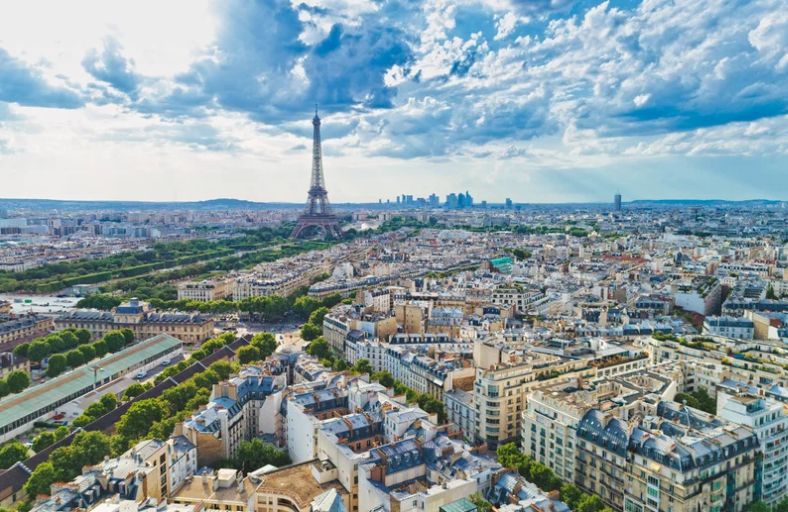

Social unrest and violent incidents can have an immediate impact on tourism, even in destinations with strong international recognition and consistent visitor demand. Paris is a case in point, with recent riots, looting and clashes beginning to noticeably affect bookings for both short-term rentals and hotels.
According to data from short-term rental analytics company AirDNA, bookings in Paris through platforms such as Airbnb, Booking.com and Vrbo fell by 18% in the week following the October 17 unrest, compared with the same week a year earlier. A similar decline was recorded the following week, while almost one in three stays for the seven-day period beginning October 19 was cancelled.
The situation is even more concerning for property management companies. Agence Butler, which manages up to 150 properties a month, saw new bookings fall by 50% following the October 17 unrest. Meanwhile, last-minute bookings dropped by 75%, according to the company’s marketing director, Louis Carrel-Billiard.
He points out that the biggest problem is not so much cancellations as the lack of new bookings. If the current trend continues, occupancy in November could fall to just 35%, almost half the level recorded during the same period last year.
The pressure extends beyond booking volumes to accommodation prices. Some property management companies have cut nightly rates by as much as 50% to attract guests and limit their losses.
The hotel sector presents a similar picture. According to Christophe Laure, head of the hospitality association UMIH Prestige, luxury hotels recorded a cancellation rate of 20% in the final week of October. At the same time, last-minute bookings were down 60% from usual levels, while the outlook for November and December remains particularly subdued.
Perceptions of safety influence travel choices
These developments are linked to demonstrations that began in September, led by students and public sector workers demanding better funding and protesting against the rising cost of living. The protests escalated in mid-October, with attacks on public buildings, arson and looting of shops, including in central Paris.
Although the October 24 demonstrations were generally calmer, major tourist attractions, including the Louvre Museum, were forced to close on police orders, causing disruption for visitors who had planned their trips well in advance.
Images of shuttered shops and a heightened police presence in shopping districts also present a different picture from the one the French capital usually projects to visitors.
The impact is particularly significant for Airbnb, as Paris is one of its most important markets worldwide. According to the company’s chief financial officer, Ellie Mertz, the French capital was Airbnb’s largest city globally in 2024, both in nights booked and number of listings.
Meanwhile, industry professionals point out that demand for short-term rentals is subject to sharp fluctuations. As Leonard de Taillandier, founder of Get a Key, a company that manages properties listed on Airbnb, noted, the market can experience a sudden surge driven by major events, concerts or high-profile visits, but can also suffer an equally abrupt setback due to riots and social unrest.
The Paris example therefore highlights another factor that influences tourism demand: beyond prices, accessibility and services, a destination’s perceived safety can play a significant role in travellers’ decisions.
Airbnb and hotels: Which are more at risk?
An interesting question is whether a crisis of this kind affects short-term rentals and hotels in the same way.
The Paris example shows that both accommodation types can face considerable pressure. However, short-term rentals may be more exposed to fluctuations in last-minute demand, particularly independent properties that lack the commercial strength and sales networks of major hotel groups.
Hotels are also affected, as cancellations of organised trips and fewer new bookings can put significant pressure on occupancy and revenue.
Destination image as a decisive factor
The Paris example, considered alongside Greek data and relevant academic research, highlights an important factor for the future of tourism: a destination’s competitiveness does not depend solely on prices, infrastructure, services and accommodation options.
It also depends on how prospective visitors perceive the destination’s safety, stability and ability to function smoothly.
For Greece, the challenge is not only to continue attracting more visitors, but also to maintain the confidence of international markets. As the Paris example shows, even one of the world’s most popular tourist destinations is vulnerable to the effects of adverse events.
