


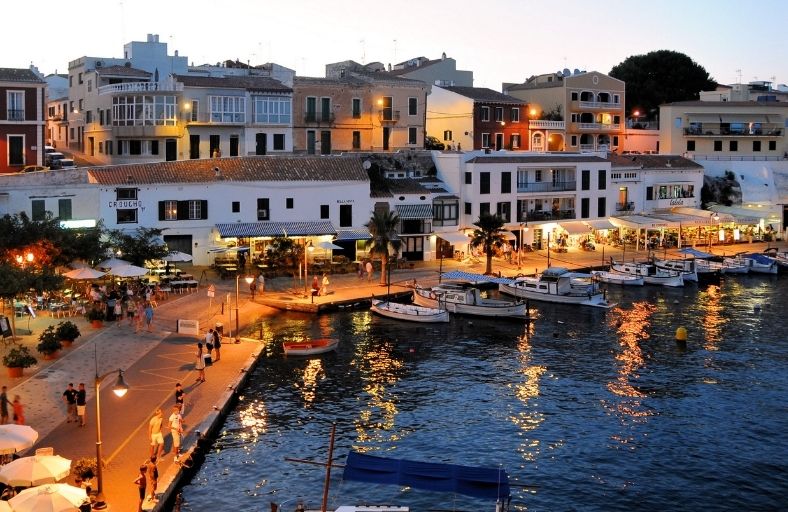

Europe attracted one third of global spending on leisure travel in 2025, with Southern Europe remaining the main driver of summer travel activity, according to new data from the World Travel & Tourism Council (WTTC), presented as part of the annual EIR report and sponsored by Chase Travel.
According to the data, global spending on leisure travel reached $6.15 trillion in 2025, up 3.5% year-on-year and accounting for 80.5% of total global travel spending. Of this amount, Europe attracted $2 trillion, meaning approximately 1 in 3 dollars spent internationally on leisure travel.
The picture is particularly strong for Mediterranean destinations. France, Spain, Italy and Turkey remain among the most sought-after summer destinations worldwide, with the WTTC attributing their resilience to international demand, diversification of source markets, the tourism product and connectivity.
Southern Europe drives demand
The report states that spending growth remained strong in 2025 across key markets: France increased by 3.6%, Spain by 2.6% and Italy by 2.2%. For 2026, Europe is expected to grow by 3.7%, compared with 3.1% for the global average.
In the next phase of growth, Italy is projected to record a 4.7% increase in leisure travel spending, followed by Spain at 4.3%, Turkey at 4.1% and France at 2.6%. The WTTC estimates that this further strengthens Southern Europe’s position as a hub of global travel demand.
WTTC President and CEO, Gloria Guevara, noted that Europe continues to set the pace for global leisure tourism and that Southern European destinations benefit from their unique experiences, connectivity and competitive tourism offerings.
She added that, given that millions of travellers are already on summer holidays across the continent, destinations need to continue to invest in infrastructure, connectivity and sustainable tourism management, in order to support future growth and maintain their competitiveness. The WTTC considers that the outlook for 2026 places Europe in a leading position in the global Travel & Tourism sector.
