


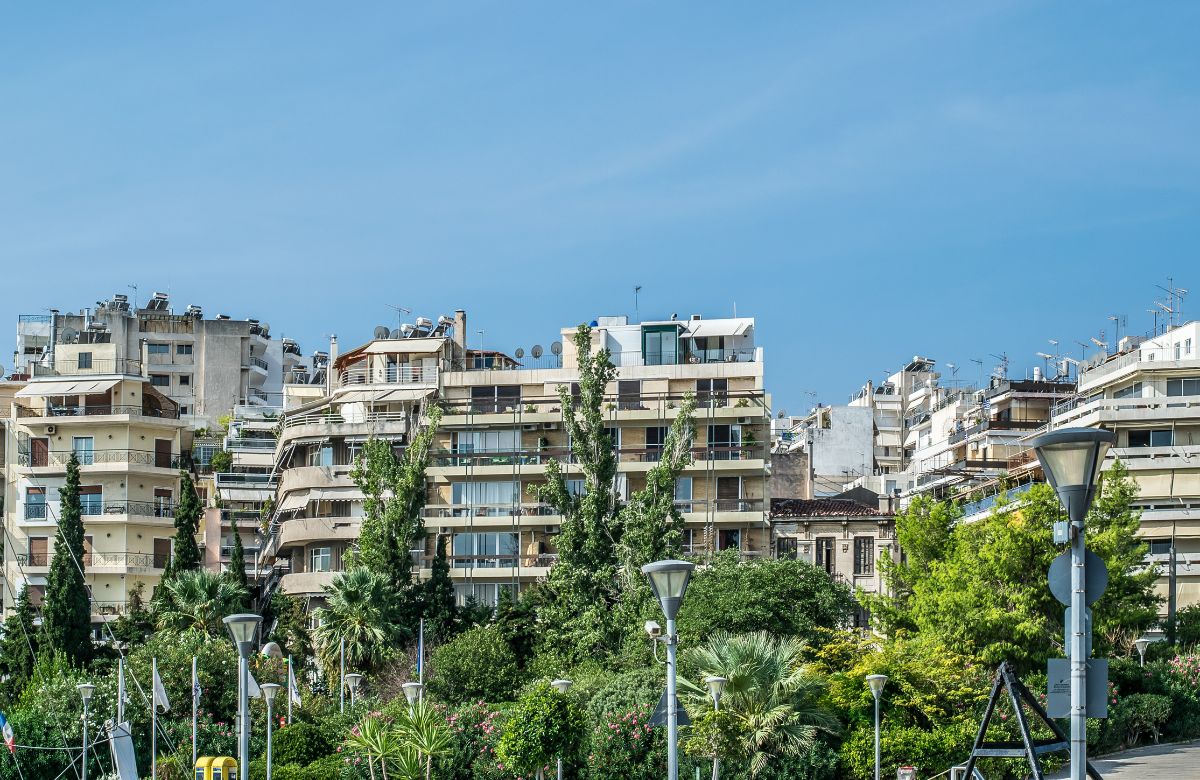

The possibility of freezing short-term rentals in 14 additional areas of Athens was announced by the Mayor of Athens, Haris Doukas, during a seminar titled “Tourism: Real Problems and Myths”, co-organized on Tuesday, November 11, by the Municipality of Athens and the Network for Reform in Greece.
He stated: “Last year we conducted a Carrying Capacity study for Athens and carried out a very detailed analysis, before the problem arose, aiming to freeze Airbnb in 17 saturated areas. We are now monitoring 14 more areas, and it is very likely that the Government will also freeze short-term rentals there.”
Mayor Doukas also emphasized that Athens now receives two million more visitors each year. “Last year, we had eight million visitors, and this year we are approaching ten,” he said. “Is that a lot? Compared to Amsterdam and Barcelona, no—but here we lack both the infrastructure and the capacity.”
He also highlighted the issue of unequal allocation of the overnight stay tax, which—he noted—returns to municipalities in other European countries, whereas in Greece it goes entirely to the state.
The tourism seminar
The seminar was divided into two panels. The first panel examined tourism as a multidimensional activity with economic and social impacts, featuring the Network’s President, former EU Commissioner and ex-Minister Anna Diamantopoulou, Mayor Haris Doukas, and Elias Kikilias, Director General of INSETE. The discussion was moderated by journalist Antonis Papagiannidis.
The second panel focused on practices and experiences from municipalities attempting to change the tourism model to enhance sustainability and quality of development. Speakers included Platanias Mayor Giannis Malandrakis, Sifnos Mayor Maria Nadali, former Ixelles Mayor of Brussels Christos Doulkeridis, and Jose Antonio Donaire, Deputy Mayor of Barcelona. The seminar was opened with greetings by Ioannis Georgizas, CEO of Anaptixiaki Athinas S.A., and Thomas Chatzoulis, Secretary General of the Network for Reform in Greece.
Anna Diamantopoulou spoke about digital transformation as a tool for governance, quality of life, and the sustainable resilience of destinations.
