



A different vision for the future of urban tourism is gradually taking shape across Europe. For cities large and small, the priority is no longer simply to increase tourist arrivals, but to ensure that visitor activity translates into tangible benefits for residents, local economies and the environment.
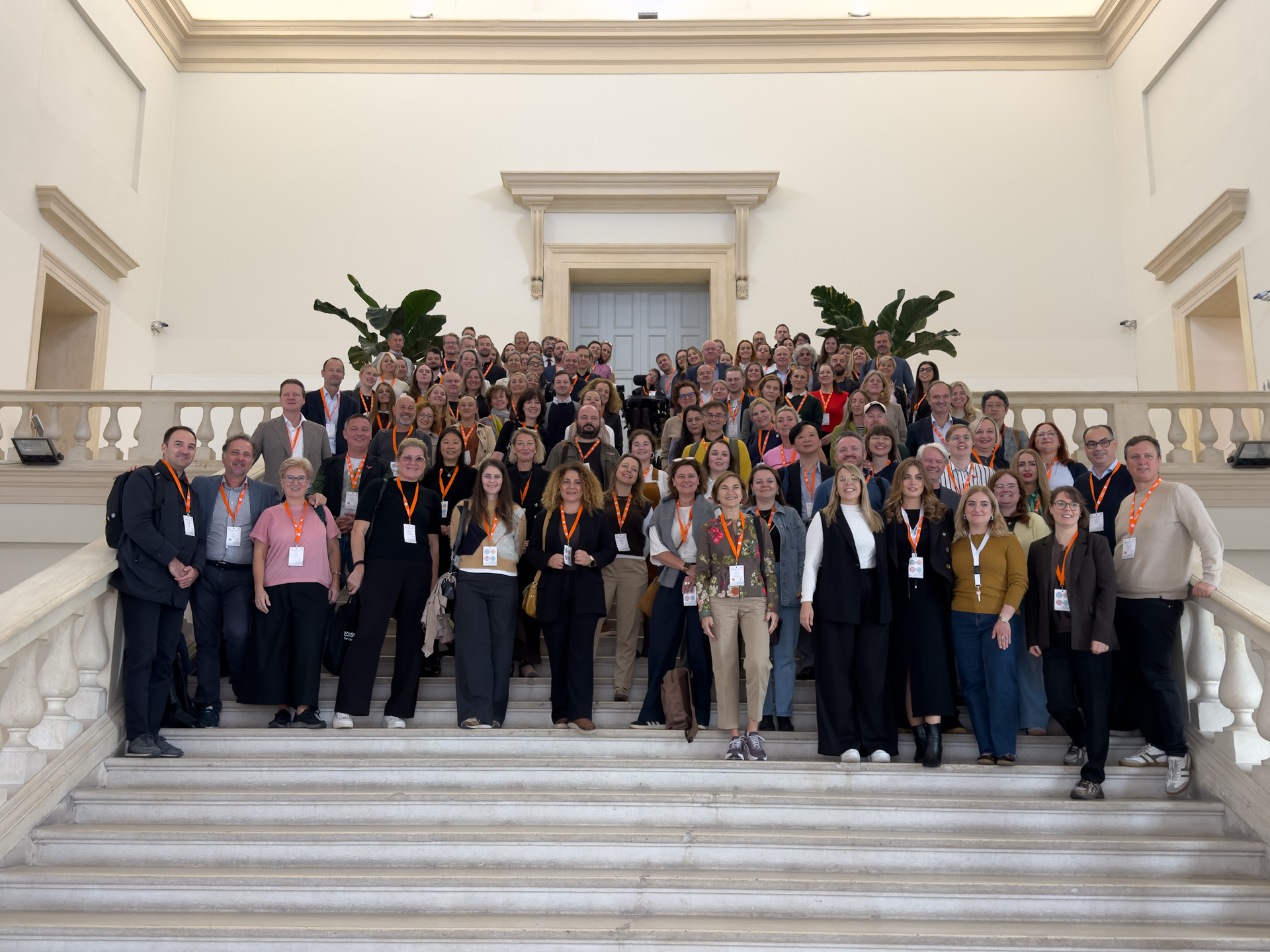
This was the central message of this year’s autumn conference of the City Destinations Alliance (CityDNA), held in Verona, Italy, from 19 to 21 October 2026. The event brought together approximately 160 representatives of tourism and convention organisations from across Europe.
Under the theme “Moving Together – Cities in motion. Destinations in alignment”, the conference focused on the major changes shaping urban tourism, from the growing influence of artificial intelligence to climate resilience, transport, accessibility and visitor taxation.
From growing visitor numbers to creating real value
Findings from CityDNA’s annual City Travel Report 2025–2026, which now covers 141 European cities, point to a new period of adjustment for urban tourism following the recovery of recent years.
Overnight stays continue to increase, although tourism performance varies considerably from one city to another. The findings suggest that a destination’s success can no longer be measured solely by visitor numbers.
Instead, each city needs to establish its own objectives, taking into account residents’ needs, infrastructure capacity, the economic activity generated by tourism and its environmental impact.
In other words, the discussion is shifting from “how many tourists can we attract?” to “what does the city gain from tourism?”
Artificial intelligence is reshaping the travel landscape
Artificial intelligence featured prominently in the conference discussions, reflecting the way it is already changing how travellers search for information, compare destinations and plan their holidays.
Representatives of European cities noted that, despite the growing use of generative AI tools, reliable information, verified data and local knowledge are becoming even more valuable.
Technology can make it easier to research and choose a destination, but it cannot fully replace human experience or an in-depth understanding of a city’s unique characteristics.
Against this backdrop, CityDNA presented four possible scenarios for the future of destination management organisations (DMOs) in an environment where artificial intelligence is expected to play an increasingly important role.
Transport and accessibility as part of the visitor experience
Another key conclusion from the Verona conference concerned the importance of transport connections when choosing a travel destination.
Available transport options now influence travellers’ decisions long before they arrive. Connectivity, therefore, is not simply an infrastructure issue but also a major factor in tourism competitiveness.
At the same time, accessibility emerged as an essential requirement for a complete visitor experience. It goes beyond meeting specific standards for people with disabilities or reduced mobility and extends to the overall way a city welcomes and serves every visitor.
The aim is to create destinations where everyone can move around, participate in activities and feel genuinely welcome.
Tourist taxes: Where does the money go?
The findings of CityDNA’s City Tax Project, conducted in collaboration with Modul University Vienna and based on data from 53 cities, also attracted considerable interest.
The research reveals significant differences in how European destinations manage, allocate and report revenue from tourist taxes.
It also identifies a gap between the priorities stated in tourism policies and how the resulting revenue is ultimately used.
Transparency is therefore becoming a decisive factor. Cities are being called upon to explain clearly where the money collected from visitors goes and what benefits it delivers to local communities.
The objective is not simply to impose an additional charge on tourists, but to link that revenue to specific initiatives and projects that improve how cities function and enhance residents’ quality of life.
The motivations behind every journey
The conference also explored what people are really looking for when they travel. Keynote speaker David Meade emphasised that destinations should look beyond attractions and traditional promotional methods, focusing instead on travellers’ deeper motivations.
The desire for autonomy, personal growth and a sense of purpose are, according to his approach, important elements of the travel experience. The destinations that stand out in the future will not necessarily be those with the most attractions, but those capable of creating meaningful experiences and emotional connections.
Jeremy Smith, co-founder of the Tourism Declares a Climate Emergency initiative, highlighted the need for the tourism industry to combine practical climate action with more meaningful communication about sustainability.
He argued that tourism has the potential to help people understand and embrace more resilient and sustainable ways of living, as it is largely built around experiences and direct contact with different places and communities.
A similar direction is reflected in CityDNA’s MarCom Survey 2026, which indicates that destination marketing strategies are increasingly focused on attracting visitors with a genuine interest in the places they visit, supporting local businesses and managing tourism flows more effectively. At the same time, tourism organisations must adapt to the new conditions created by artificial intelligence in how travellers search for and discover travel options.
The city as a living laboratory for change
The programme in Verona went beyond presentations and discussions. Participants had the opportunity to explore the challenges of urban tourism firsthand through four organised tours of the city.
The activities focused on accessibility in real-world mobility conditions, the complexity of the visitor journey, the impact tourism should have on cities, and climate resilience, particularly in the area surrounding the Adige River and the historic Ponte Pietra bridge.
In addition, CityDNA members organised workshops on mobility, accessibility and artificial intelligence. The insights gathered will contribute to the development of the Alliance’s strategy for 2027–2030.
According to CityDNA Vice-President Maya Janssen, the meeting demonstrated European cities’ willingness to move beyond exchanging ideas towards joint initiatives and concrete action. Similarly, Luca Caputo, General Manager of the Destination Verona & Garda Foundation, emphasised the importance of sharing experiences between cities, particularly in transport, accessibility and inclusion.
The Verona conference confirmed that urban tourism is undergoing a fundamental shift in direction. The success of European cities will depend not only on their ability to attract visitors, but also on how effectively they manage tourism activity, protect the environment and ensure that the benefits of tourism growth reach local communities.
Ultimately, the question is not only how people will continue to travel to European cities, but also how those cities can remain sustainable and liveable for the people who call them home.
