



The image of a luxury villa in Tuscany or a residence overlooking the French Riviera remains synonymous with the dream holiday. Behind this idyllic picture, however, owners and managers of tourist accommodation are facing increasingly stringent environmental regulations and growing demands for energy efficiency.
Travellers continue to seek heated swimming pools, air conditioning throughout the property, expansive glass façades and high-end modern amenities. At the same time, many European cities and regions are struggling to manage electricity grids that are already operating at their limits, turning sustainability from an optional choice into a fundamental operational requirement.
Pressure for common sustainability standards
The World Travel & Tourism Council (WTTC), in collaboration with the United Nations Environment Programme (UNEP), is promoting common guidelines for implementing circular economy practices across the tourism sector. The objective is to harmonise certification standards so that hospitality businesses can operate under consistent rules across different European markets.
For managers of tourist residences, this means that the use of environmentally friendly products or the adoption of isolated “green” practices is no longer sufficient for a property to be considered environmentally sustainable.
The new requirements include measuring water consumption, monitoring energy performance, ensuring supply chain transparency and documenting carbon emissions, significantly increasing the administrative and financial burden on businesses.
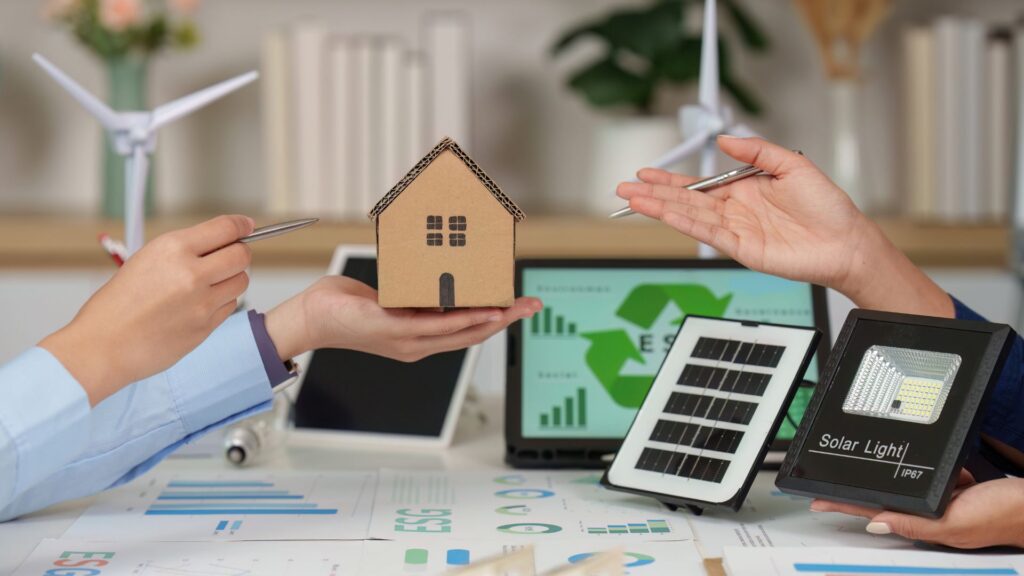
Technology in the service of sustainable hospitality
At the same time, digital booking platforms are incorporating an increasing number of filters that allow travellers to search for accommodation with certified energy performance and sustainability credentials, without sacrificing luxury amenities.
The difficult equation for luxury villas
Owners of historic or luxury properties are being asked to strike a balance between guests’ high expectations and their environmental obligations. Upgrading older buildings with modern insulation, heat pumps or photovoltaic systems involves substantial costs and, in many cases, technical challenges arising from the architectural character of the properties.
For this reason, an increasing number of accommodation providers are investing in smart technologies, including automated climate control systems, greywater recycling, water-saving equipment and electric vehicle charging stations, seeking to reduce their environmental footprint without compromising the guest experience.
The transition of the European tourism sector towards more sustainable standards will largely depend on whether the luxury accommodation industry can successfully combine the demand for premium services with increasingly stringent environmental requirements.
