


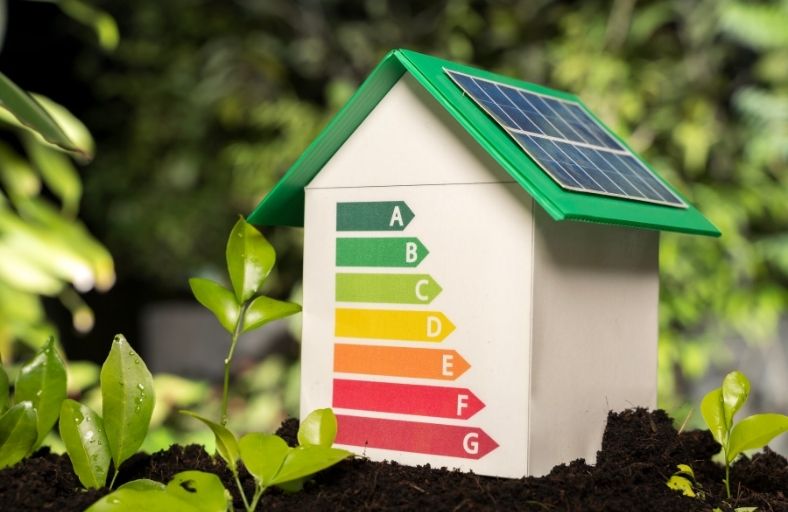

Transforming a property into an “eco-Airbnb” in 2026 is no longer just an abstract environmental sensitivity, but a strategy for survival and profitability. According to international short-term rental trends, over 70% of travelers state they prefer sustainable accommodations, while an eco-friendly Airbnb can increase both booking value and average length of stay.
How can you modernize your property, reducing operating costs while attracting the dynamic market of conscious travelers?
 Energy shielding and “Smart” management
 Energy shielding and “Smart” management
Reducing energy consumption is the foundation of an eco-Airbnb. The most effective practices include:
Installing LED lighting in all areas: Replacing bulbs with LEDs reduces consumption by up to 80% and they last 25 times longer.
Using energy-efficient appliances: Modern appliances are designed to consume less electricity and water per cycle, offering long-term payback through lower bills.
Installing smart thermostats: Smart systems allow for the optimization of heating and cooling based on occupancy, preventing waste when guests are away.
Quality insulation to limit losses: Proper insulation keeps the room temperature stable. This drastically reduces the use of air conditioning and heating systems, protecting your profit from reckless energy use by guests.
Renewable sources: Installing solar panels or using heat pumps are investments with fast payback due to reduced bills. Additionally, the ability to charge electric vehicles (EVs) through these systems is a strong booking incentive for the 52% of travelers looking for ways to reduce their carbon footprint during their travels.
These investments reduce operating costs and serve as a significant selling point for your listing.
Water management: Small changes, big difference
Water conservation is equally important. Guests particularly appreciate practices such as:
Low-flow fixtures: Install showerheads and faucets with WaterSense certification that maintain pressure while reducing water volume.
Rainwater harvesting: Use collection systems for garden irrigation or toilet flushing.
Water saving can be done silently without sacrificing guest comfort.
Zero waste and “Say No to Plastic”
Single-use plastic is the first thing an eco-conscious guest notices.
Refillable dispensers: Replace small shampoo bottles with elegant, wall-mounted refillable containers.
Water filtration: Provide filter pitchers or water coolers so guests don’t have to buy plastic bottles.
Composting: Offer a composting bin for organic waste, which can then fertilize your garden.
Sustainable materials and “Slow Furniture”
Avoid “fast furniture” that quickly ends up in landfills.
Second-hand treasures: High-quality pre-owned furniture adds character and reduces the environmental footprint.
Natural fibers: Choose linens made from organic cotton or bamboo.
Eco-friendly cleaners: Use products based on vinegar or citric acid that are biodegradable and safe for health.
Digital management and paperless experience
 Digital management and paperless experience
Digitizing the guest experience is one of the most effective ways to modernize your Airbnb, eliminating unnecessary paper use and improving property organization.
Digital Guidebooks
Replace bulky printed guides with a well-designed digital manual. Guests can access appliance instructions, local restaurant recommendations, and emergency numbers directly from their phones, ensuring information is always current and accessible.
Online Check-in and Digital instructions
Eliminate printed arrival instructions by sending everything electronically via the platform or email. Using automated messages for check-in not only reduces the environmental footprint but also offers a more professional, “seamless” experience that 2026 travelers highly value.
QR Codes for property information
Strategically place small QR codes at key points in the house, such as on the coffee maker or next to the thermostat. With a simple scan, the guest can see a short video or text with instructions, avoiding paper waste and constant questions to the host. At the same time, it improves the guest experience and reduces operational costs.
Eco-marketing: From practices to profit
Eco-Branding in 2026 requires accuracy and honesty to translate into real profit. Instead of vague terms, highlight specific amenities in your listing, such as EV charging stations, LED lighting, or free bicycles, and enhance your image with photos of local, organic welcome products. By encouraging guests to leave reviews about your green practices, you build an authentic reputation that attracts the 78% of travelers seeking sustainable accommodations, ensuring higher occupancy and reduced operating costs.
Are you suppliers and interested in your promotion on BnBNews? See all the possibilities HERE.
