


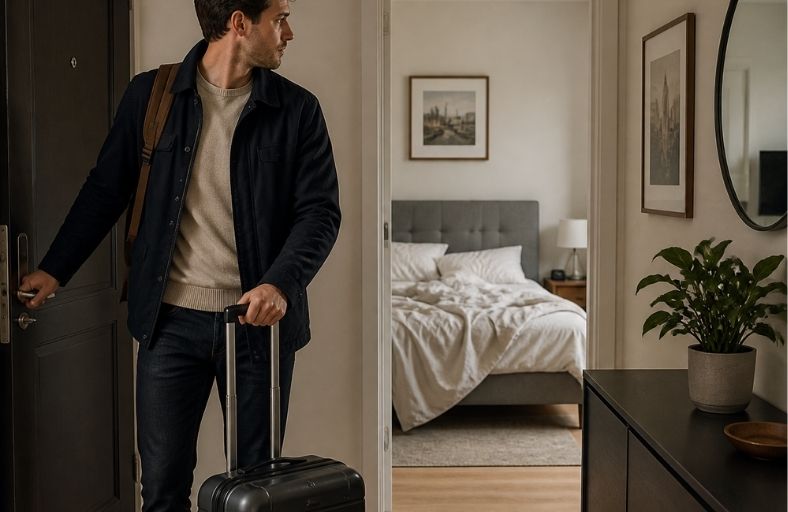

The platform’s new policy prohibits hosts from requiring travelers to complete tasks that demand significant time or effort, such as stripping beds and taking out the trash. The new rules apply to bookings made from November 20, 2026.
Airbnb is seeking to put an end to mandatory chores before guests leave a short-term rental property, changing the rules governing guest responsibilities at check-out. The platform now prohibits hosts from requiring tasks that involve significant effort or time, or that would normally be handled by a professional cleaner.
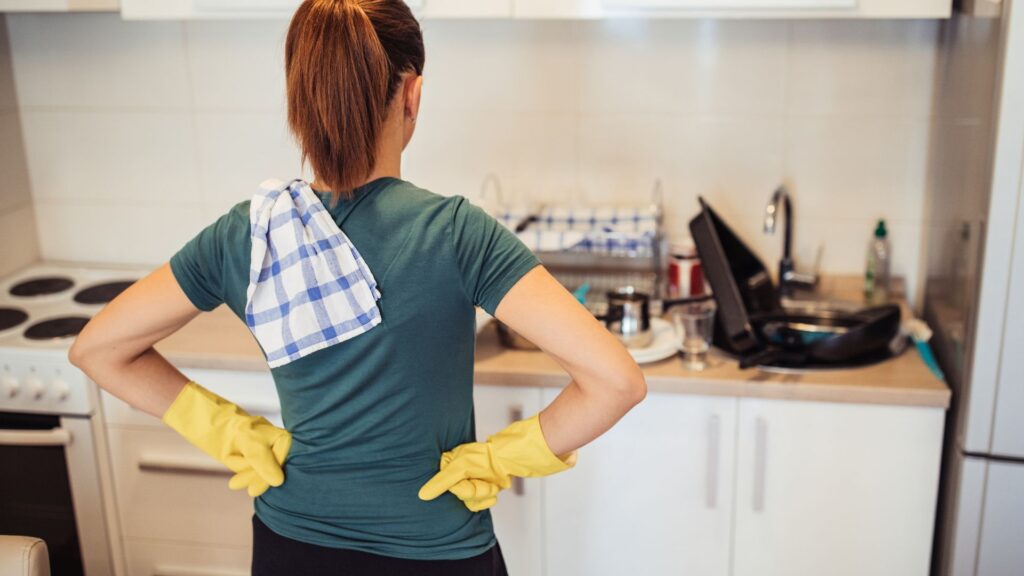
Stripping beds, taking trash outside the property, and washing and putting away dishes are among the tasks that can no longer be imposed on guests as mandatory check-out requirements.
The change addresses one of the common complaints among travelers who choose accommodation through short-term rental platforms: being required to perform additional cleaning tasks, even when they have already paid a separate cleaning fee.
What is allowed and what is prohibited
Under Airbnb’s updated policy, hosts may make reasonable requests of guests, but they cannot shift tasks that are normally performed by cleaning staff onto them.
For example, a host cannot require a guest to wash and put away dishes before leaving. However, they may ask guests to leave used dishes in the sink.
Similarly, hosts cannot require guests to strip beds or take trash outside the property when these tasks fall under the new restrictions.
The platform also clarifies that the cleaning fee should cover the usual preparation and cleaning of the property between stays. Hosts are not allowed to charge additional fees because guests have not completed tasks listed in the check-out instructions.
Rules must be disclosed before booking
The changes are not limited to cleaning tasks. Airbnb is overhauling the way hosts inform guests about property rules.
Rules and requests must be listed in the designated section of the property listing so that prospective guests can review them before making a booking. Hosts are not permitted to introduce new rules after a booking through messages, signs inside the property, or verbal instructions during the stay.
At the same time, the rules must be consistent with the other information provided in the listing and must not conflict with the platform’s policies and terms of service.
Airbnb has also established seven main categories of rules, covering, among other things, check-in and check-out times, the number of approved guests, smoking, pets, quiet hours, and commercial photography or filming.
Hosts can also add other reasonable requests, which will be displayed more clearly to guests on the property listing page, in the Trips section, and in booking reminders.
What happens to those who violate the new rules
The platform will monitor whether hosts’ requirements comply with the new policy. If prohibited conditions are identified, Airbnb may request that they be modified or give the host an opportunity to appeal.
If violations continue, additional measures may be taken, including warnings, a notice highlighting the issue on the property listing page, reduced visibility in search results, or other actions in accordance with Airbnb’s terms.
However, the platform retains the ability to assess each case based on the property’s specific circumstances and local conditions. For example, asking guests to limit shower time in areas experiencing severe water shortages or to dispose of trash in special wildlife-proof bins may be considered reasonable.
Airbnb emphasizes that guests are still required to follow lawful and permitted property rules. In cases of repeated or serious violations, the platform may also take action against guests.
The new policy will apply to all bookings made from November 20, 2026, onward. The aim is to make the responsibilities of both parties clearer, reducing unpleasant surprises at check-out and distinguishing reasonable requests from tasks that normally fall under the responsibility of the property’s cleaning service.
