



Short-term rentals, the shortage of housing supply, high construction costs and strong demand for quality properties are shaping the new landscape of the Greek real estate market, which in the second half of 2026 continues to move upwards, but with significant differences depending on the area and property category.
Short-term rentals hold a particularly important position in this equation, as the new regulations being implemented in the market are affecting the rental landscape and bringing back into focus the discussion about the balance between tourism use and long-term housing. As Babis Charalambopoulos, honorary president of the Hellenic Institute of Valuation and scientific advisor to SOLUM Property Solutions, points out, careful management is required so that interventions do not disrupt a product that developed during the years of the crisis, created jobs and today contributes to hosting millions of visitors and to the Greek economy.
Short-term rentals and the difficult housing equation
Pressure on rents, however, cannot be attributed to a single factor. Short-term rentals are part of a much more complex picture, which includes increased construction costs, high interest rates, a shortage of labour in the construction sector, demographic trends and the squeeze on household disposable income caused by the rising cost of living.
At the same time, the large number of homes that remain outside the market is a critical issue. These include, among others, properties held in the portfolios of banks, claims management companies and investment funds, as well as properties that are not offered for rent because they require significant renovation costs. The stock of closed properties is also supplemented by apartments that have come into the ownership of the State as a result of inheritance renunciations.
At the same time, the gradual movement of population from villages and smaller cities towards Athens, Thessaloniki, university cities and tourist destinations is intensifying pressure in areas where demand is already high. The result is an increase in prices and rents in these areas, while markets experiencing population decline and limited productive activity show greater stagnation.
Athens has now surpassed 2007 levels
Despite the pressures facing households, the overall direction of the housing market remains upward. According to the analysis, the real estate market is now moving at different speeds, as the value of each property is significantly affected by its location, size, age, condition and individual characteristics.
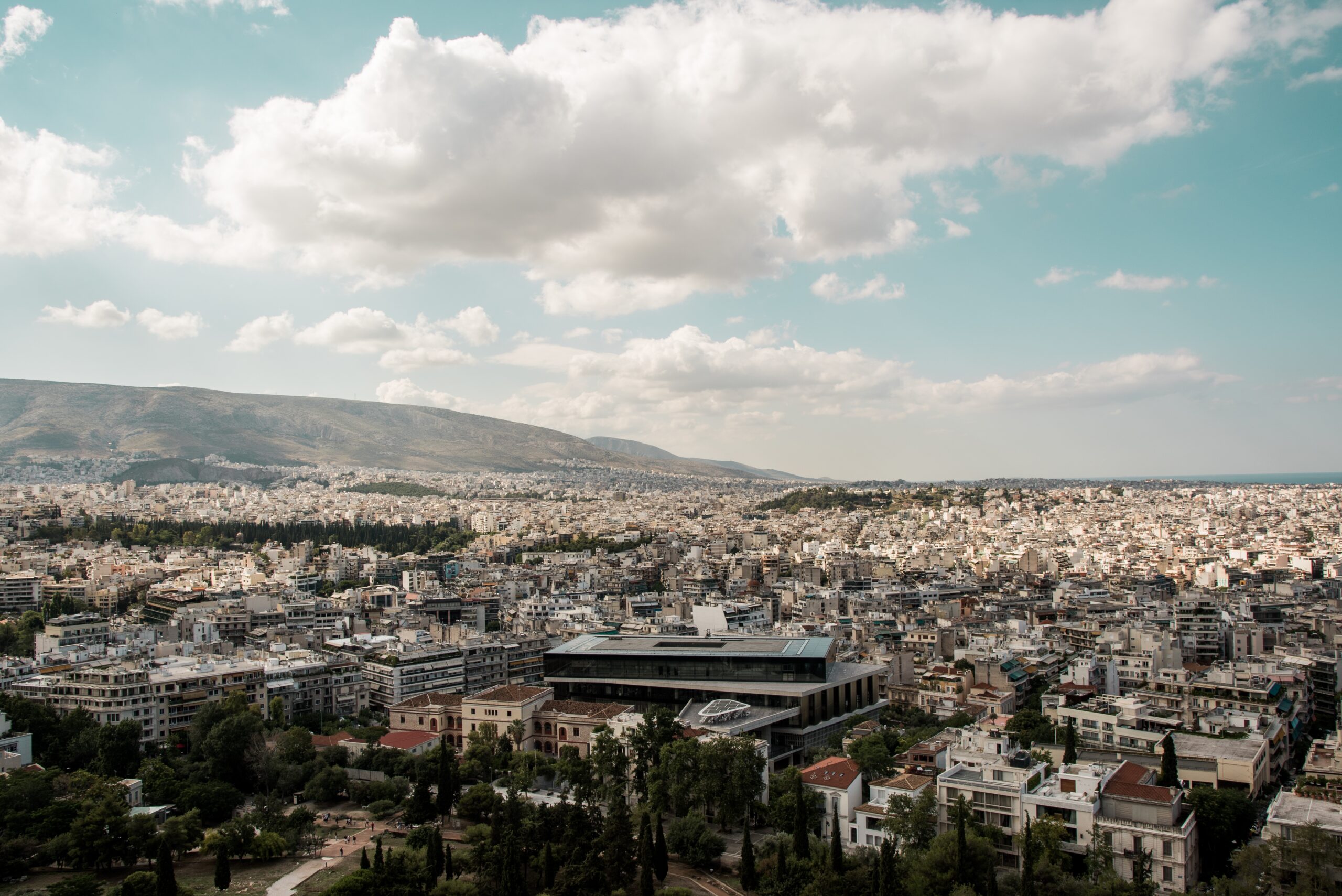
The development in Athens is particularly characteristic. In Metropolitan Athens, the losses recorded in property prices during the decade-long crisis have now been fully recovered, with values having surpassed 2007 levels. In Thessaloniki, prices are very close to the corresponding levels, while in the rest of the country they still lag behind by approximately 11% to 15%.
The gap is even greater in some newly built high-specification properties. Developments such as Ellinikon and, more generally, projects along the Athens Riviera have far surpassed 2007 price levels, as they target a different market and, to a significant extent, an international pool of buyers.
It is indicative that the price index for new homes in Athens, based on 2007, had fallen to 57.3 in 2017, but reached 112.9 in 2025 and 116.1 in the first quarter of 2026. In Thessaloniki, the corresponding index for new homes stood at 102.2 during the first quarter of the year.
Construction activity recovers
Signs of recovery are also being recorded in construction activity. Following the collapse of the previous decade, the number of building permits has been following an upward trend since 2017, although it has not returned to the exceptionally high levels seen before the economic crisis.
According to the analysis chart, from the 79,400 building permits issued in 2007, the market fell to levels close to 13,000 per year in the middle of the previous decade. It then began a gradual recovery, with 30,678 permits in 2024 and 29,940 in 2025, while for 2026 the number is estimated to approach 31,000 by the end of the year.

Golden Visa and foreign buyers
Demand from abroad has also played an important role in shaping the market. The Golden Visa programme particularly affected Attica in previous years, with a large share of investments coming from Chinese buyers.
Following the changes that increased the required investment amounts in Attica, Thessaloniki and several islands, interest has shifted towards other areas of Greece, where the relevant thresholds remain lower, at €400,000 and €250,000, depending on the case.
A second life for older apartments
Another trend gaining increasing importance is the purchase and renovation of older homes. As the cost of purchasing a newly built apartment is prohibitive for a significant share of potential buyers, many are turning to older properties with lower values, which they then renovate and modernise.
This trend is also linked to the need to improve the energy efficiency of the ageing building stock and may contribute to bringing more properties back into the active market.
At the same time, new housing models are beginning to gain ground. Serviced apartments are described in the analysis as a modern product that responds to demand, while organised student residences are also gradually developing in university cities, where the monthly rent may include common charges, electricity and internet access.
The big challenge for the rest of 2026
The overall picture shows that 2026 is developing satisfactorily for the Greek real estate market, without this meaning that risks and challenges are absent. The difficulty faced by Greek households in purchasing or renting a home, reluctance towards bank lending and a series of external economic and geopolitical factors continue to maintain a high degree of uncertainty.
The market, therefore, is no longer moving uniformly. Short-term rentals and tourism, foreign investment, the shortage of available homes, the renovation of the existing housing stock and strong demand for modern commercial properties are creating a multi-speed real estate market. The major challenge now is whether the upward momentum of investment can be combined with the return of more homes to the market and, above all, with improved access to affordable housing for households.
