




Three different measures in Turkey, Japan and Florida are reshaping the short-term rental landscape, with stricter market oversight as a common denominator. From pressure on online platforms to tighter municipal restrictions and increased registration fees, the changes directly affect owners, managers and platforms.
Turkey targets online travel platforms
In Turkey, the ruling Justice and Development Party submitted a bill in early August that would require foreign digital accommodation platforms, such as Airbnb and Booking.com, to obtain an official operating license from the Ministry of Culture and Tourism.
To obtain the license, which would carry a fee of 5 million lira, approximately $104,000, the platforms would also have to appoint official local representatives in the country. The plan provides for three stages of sanctions for non-compliance: first administrative fines, followed by suspension of the license and, ultimately, restrictions on digital sales within Turkey.
The move comes in an environment where the issue of tax and regulatory oversight of platforms has already created tensions. In the past, Booking.com had faced a suspension of operations in Turkey, in 2017, over tax jurisdiction issues.
Japan allows municipalities to impose “Zero-Day” restrictions
In Japan, the Tourism Agency recently revised its guidelines and now allows local authorities to restrict private short-term rentals in specific residential neighborhoods, even below the national limit of 180 days.
In some zones, municipalities can reduce the permitted operating period to as little as zero days. The restriction applies to the minpaku category, meaning private residences used for paid accommodation under the Private Lodging Business Act.
It does not apply to traditional hotels or monthly rentals. According to the agency, the change responds to complaints about noise and greater density in neighborhoods, giving municipalities a tool to intervene near schools and quiet residential areas.
St. Augustine increases registration fees
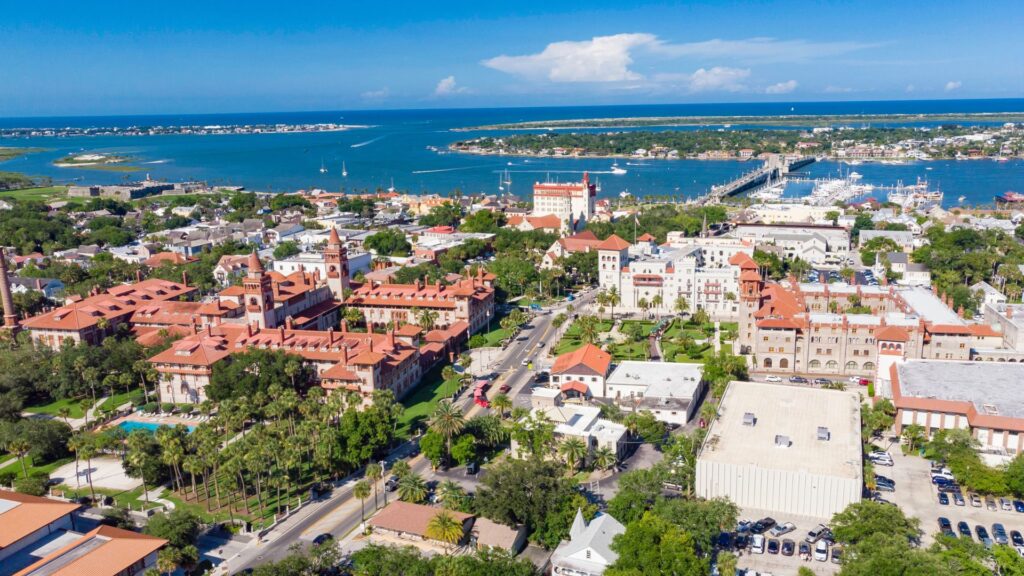
In Florida, the City Commission of St. Augustine unanimously approved on August 10, 2026, an increase in annual administrative fees for short-term rentals. The basic registration fee is increasing by 10.8% to $335.75, while the separate fee per bedroom increases by 26.4% to $100.20 per room.
The city says the adjustments cover the administrative and operational costs of registration programs and fire inspections. The new fee structure takes effect on October 1, 2026, and includes a $100 fee for late renewals and a $50 fee for re-inspections.
What the changes mean for the market
The three developments show that regulation of short-term rentals is shifting across different levels: from platform responsibility, to more detailed local zoning oversight and finally to indirect pressure through fees and administrative costs.
For professional property managers, the key point is compliance in each market based on the local framework. In Turkey, attention is focused on platforms and local representation. In Japan, on municipal restrictions by zone. And in Florida, on registration and renewal costs, which directly affect the structure of operating expenses.
