


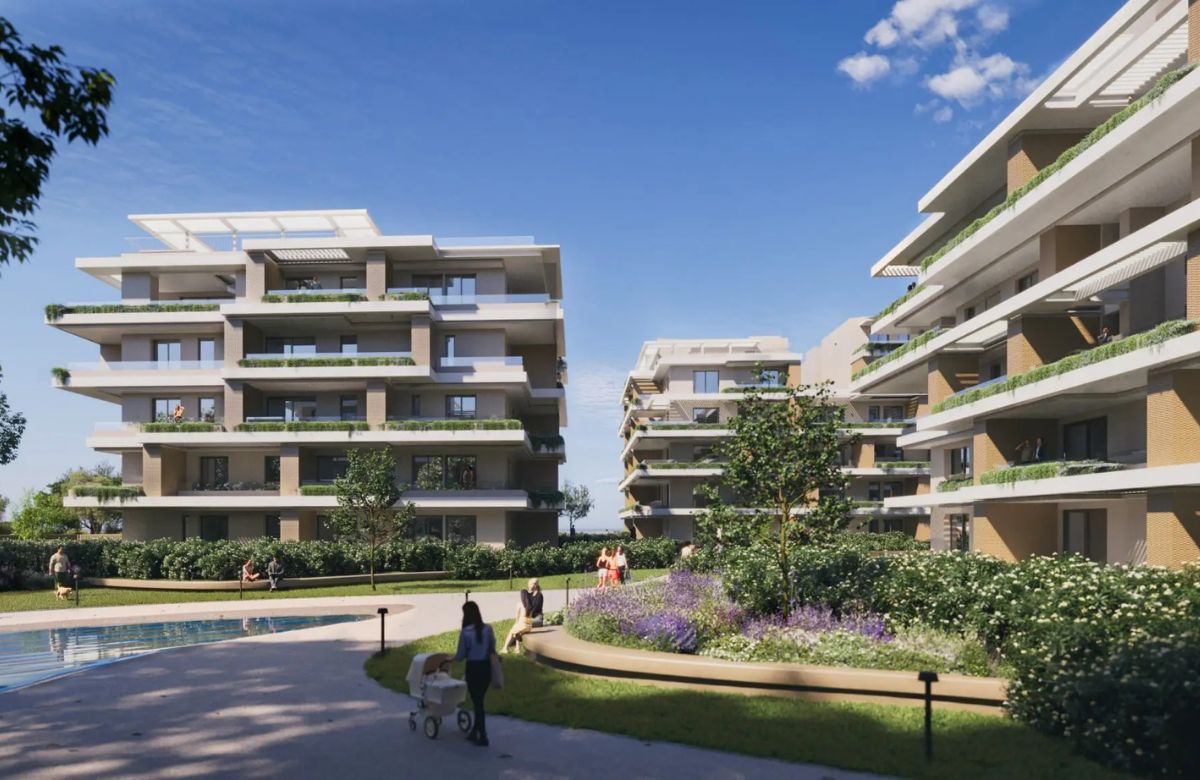

As the Ellinikon project gradually transitions from the development phase to day-to-day operations, Lamda Development is making a strategic move by elevating property management to a standalone business pillar. The establishment of its subsidiary, Lamda Smart Living, is not just about technical support for a large-scale project—it is aimed at creating a comprehensive property and lifestyle management model tailored to the needs of a new city.
Lamda recognizes that selling or renting properties in Ellinikon is not enough. A stable mechanism for property management, maintenance, and service provision is required to ensure quality of life, preserve asset value, and generate long-term recurring revenue.
Lamda Smart Living as the “nervous system” of the new city
Lamda Smart Living is designed to serve as the central operator for residential, commercial, and professional properties in Ellinikon, offering services to developers, property owners, tenants, and end-users alike. In practice, the new company aims to function as the “nervous system” of daily life in the new urban district.
Its scope includes building management services based on contracts or fees, comprehensive condominium management, rent collection, common expense billing, and operational monitoring of leased properties. In addition, it provides combined support services such as cleaning, security, reception, and the management of above-ground and underground parking areas.
This model shifts the focus from mere property ownership to continuous service delivery—a critical factor in preserving value in large-scale developments.
From property management to lifestyle management
Lamda Smart Living goes beyond traditional property management. At the core of its strategy is the integration of daily services, lifestyle offerings, and “smart city” applications.
This includes operating shared spaces, resident services, sports facilities, and infrastructure maintenance and upgrades. Lamda is thus creating a service ecosystem in which management is not a cost but a source of added value.
Recurring revenue and long-term value
The move into property management becomes even more strategic when combined with the financial scale of Ellinikon’s residential component. The remaining receivables from home sales currently amount to €800 million, while total contract value reaches €1.9 billion, with cumulative collections already at €1.6 billion, confirming that residential sales are the project’s main financial backbone.
As the housing inventory available for sale diminishes and the market enters a maturity phase, property management plays a key strategic role. Through Lamda Smart Living, the group ensures stable, recurring revenue, independent of sales cycles, while maintaining an active presence in the daily operations of Elliniko.
Pricing and differentiation by zone
This dynamic is reinforced by the profile of already sold residences. Along the seafront, with premium developments, average prices reach €12,300 per sqm, with full absorption of available units. In the core residential area, Little Athens, prices are lower, around €9,400 per sqm, with high absorption rates.
This differentiation also creates varying management needs, from high-end services along the waterfront to larger-scale, well-organized operations in other residential zones.
The new residential project and the role of management
The next residential project with 219 apartments within the former Elliniko airport site, developed by Aura Residential S.A., includes a complex of four high-rise buildings up to 50 meters on a 16,000 sqm site.
This new project is jointly implemented by the Latsis Group via Xeris Ventures (80%) in partnership with Elliniko S.A., a Lamda Development subsidiary (20%), and has now completed environmental approvals for the first phase, including excavation and retaining wall permits.
The project includes units for both sale and rent, making operational and financial management a critical success factor. The architectural division into multiple buildings, landscaped areas, and private outdoor amenities increases maintenance and organizational demands, reinforcing the need for a central property management entity.
